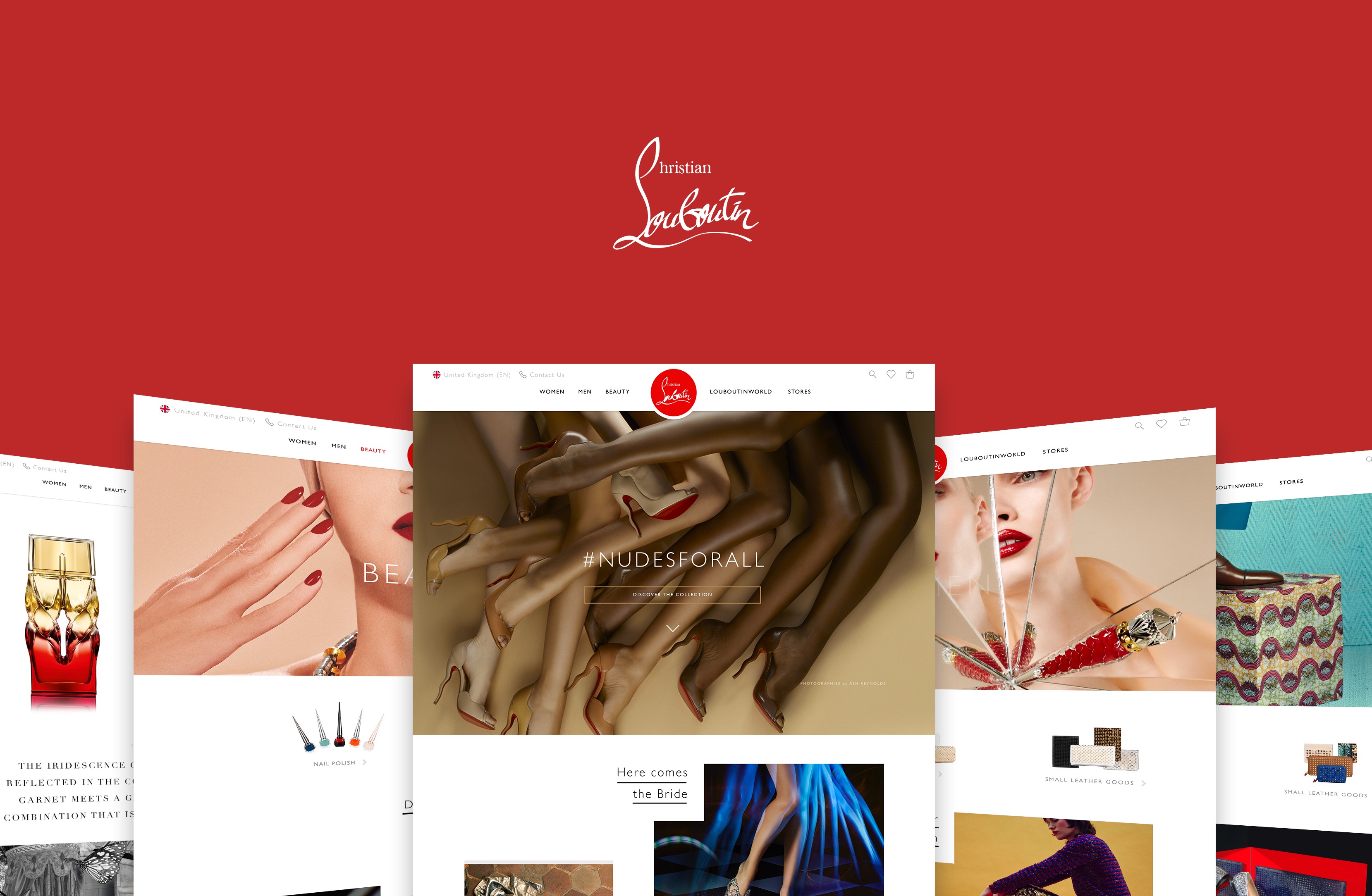
From a UX perspective, the challenge was about clarity and confidence:
How do you make a premium brand feel premium online, without noise?
How do you guide users through a large catalogue without overwhelming them?
How do you redesign navigation and structure so the site feels intuitive, fast, and modern?
From a UI perspective, the challenge was about restraint.
Give products more room to breathe.
Establish stronger visual rhythm and hierarchy.
Use brand cues intentionally, especially the iconic red accent, without overusing it.
UX: Structure, hierarchy, and navigation
A major part of the redesign was reorganising the experience from the inside out, starting with navigation and information architecture.
The menu was one of the most complex elements to rethink. The goal was to make it:
easier to scan
clearer in how categories were grouped
faster to navigate across sections
This meant simplifying where possible, tightening the hierarchy, and making the structure feel predictable—so users could move confidently without friction.
UI: Space, focus, and brand clarity
Visually, the redesign focused on white space and product emphasis.
The new layout gave more prominence to product photography and key content, while removing unnecessary visual clutter. White space wasn’t aesthetic decoration, it was a functional choice that improved:
readability
product focus
perceived quality
overall rhythm of the page
One detail that mattered a lot was brand presence. I intentionally used the iconic red element (the signature accent associated with the brand identity) to create a strong, immediate recognition point, making the brand feel present from the first seconds of the experience, without being distracting.
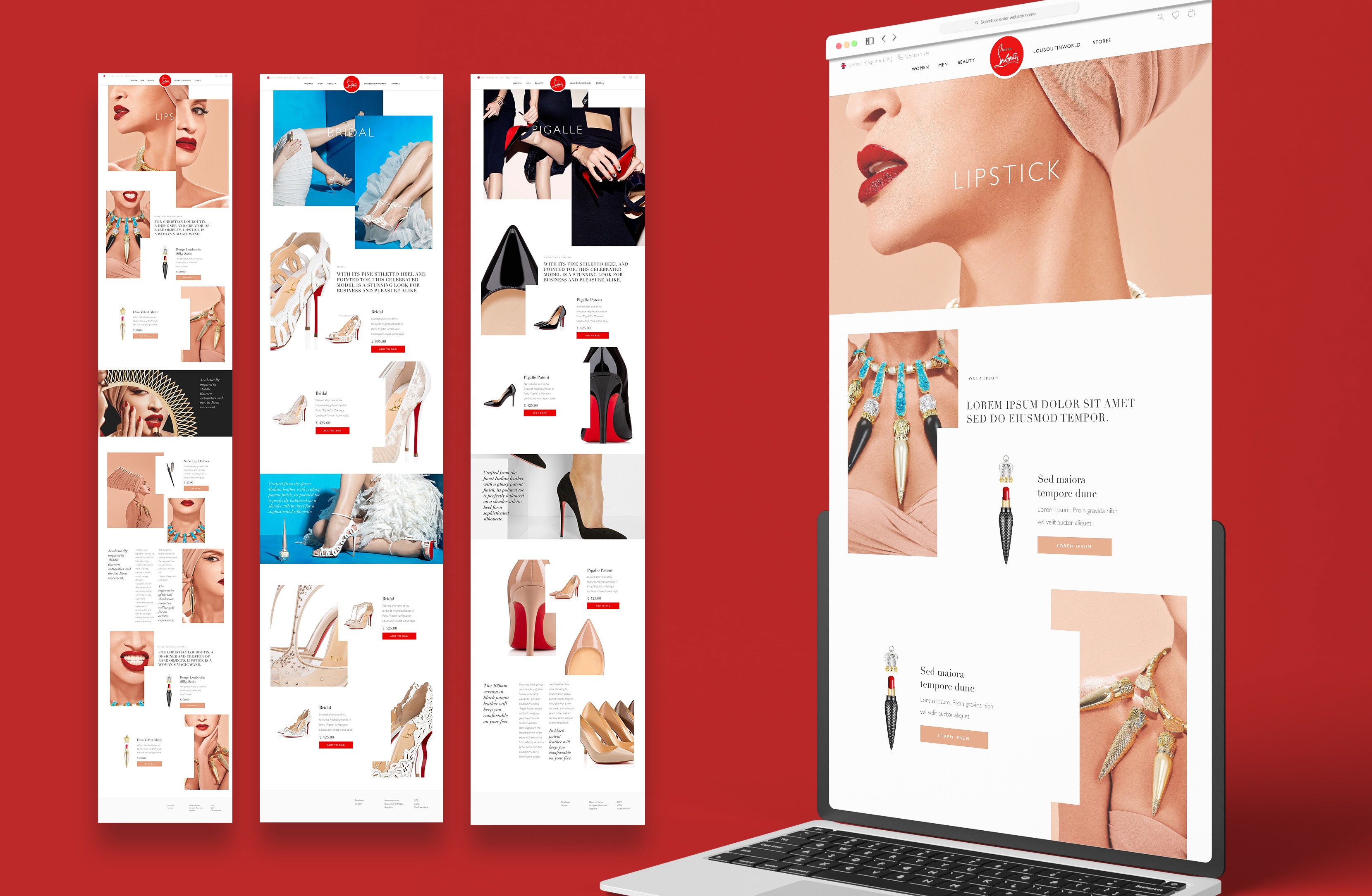
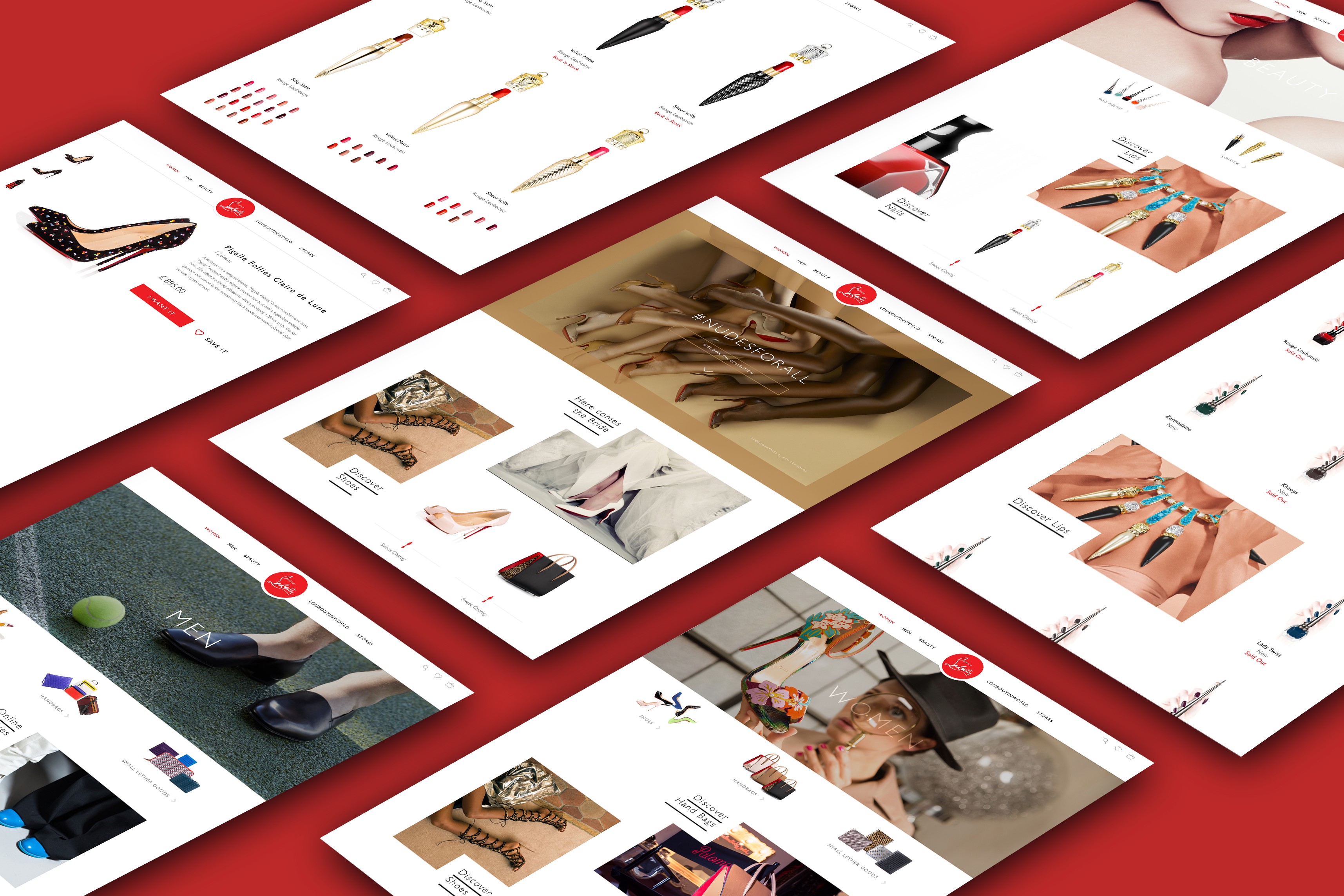
This project was a strong example of what it means to redesign a premium brand experience: the biggest improvement wasn’t a single feature, it was the cumulative effect of hundreds of design choices working together.
The redesign:
gave products the space they deserved
made the brand feel present instantly through cleaner hierarchy and intentional use of signature accents
improved navigation clarity through a more structured menu and UX logic
modernised the experience with more contemporary layout decisions and subtle motion
What I took from this project is that “premium” is rarely about adding more. It’s usually about removing noise, clarifying intent, and designing every interaction with care.
It was a large, demanding redesign, but also the kind of work I enjoy most: where good UX and restrained UI decisions can materially change how a brand is perceived.
Next projects.
(2016-26©)