When I joined Lightful, the company was at a pivotal moment.
The product already mattered.
The mission was clear and meaningful.
But the way the company presented itself, visually, experientially, and internally, no longer reflected where it was going.
Brand, product experience, and design practices had grown organically over time, but they weren’t evolving at the same pace as the business. As Lightful expanded its ambitions, the gaps became more visible: inconsistency across touchpoints, fragmented experiences, and a design function that needed structure in order to scale.
What was missing wasn’t effort or talent, it was alignment.
My role wasn’t just to “design screens”.
I joined Lightful to help reset the foundations.
That meant working across brand, product, and process to create a shared design language, visually, structurally, and culturally, that could support growth, experimentation, and long-term product thinking.
My responsibility was to:
redefine how design showed up across the company
connect brand and product into a single, coherent experience
introduce clearer ways of working between design, product, and engineering
and build systems that allowed the team to move faster without losing quality or intent
Rather than focusing on individual features, I focused on creating the conditions for better decisions, decisions that could scale beyond any single screen, sprint, or release.
Design became not just an output, but a shared tool for clarity, alignment, and momentum.
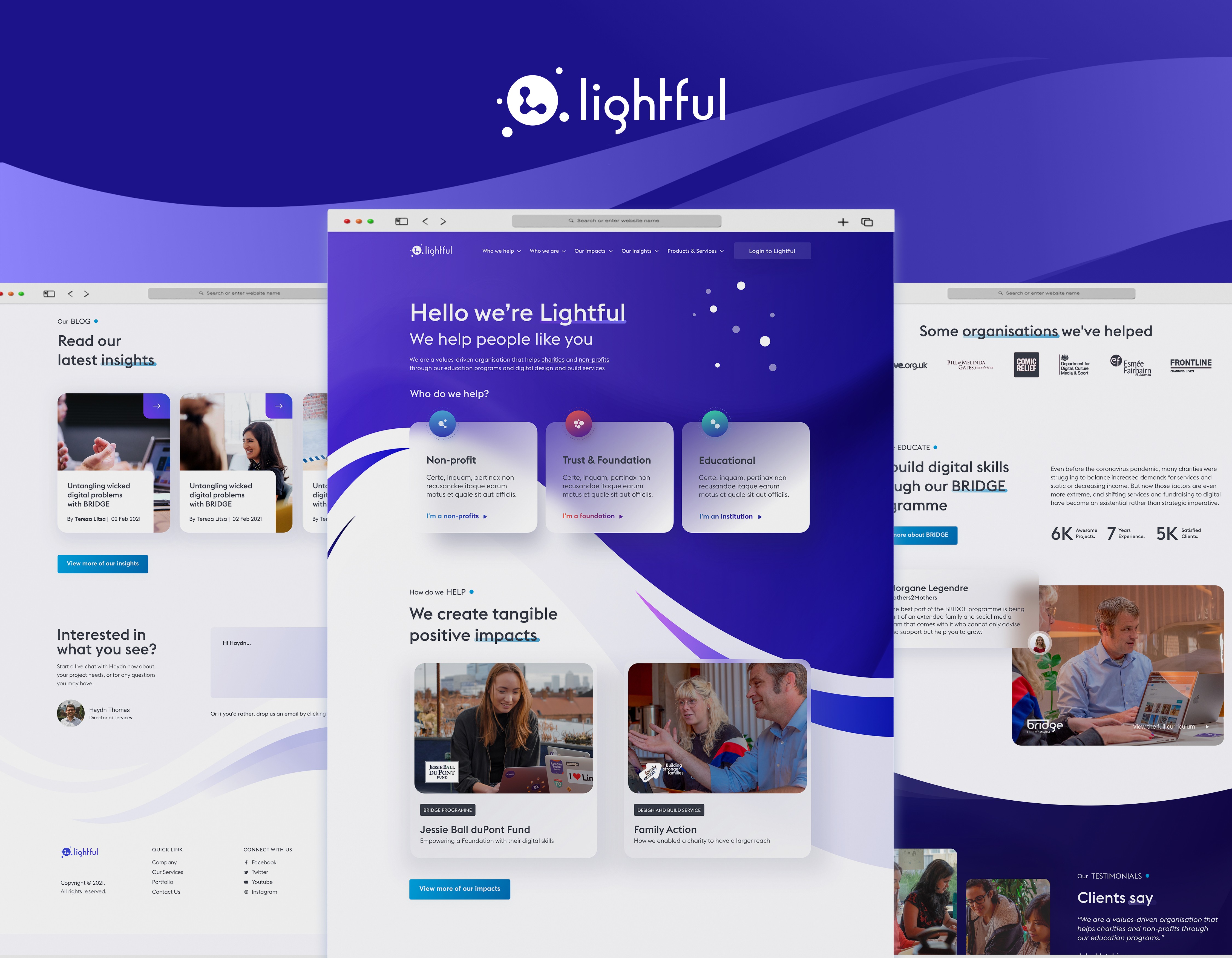
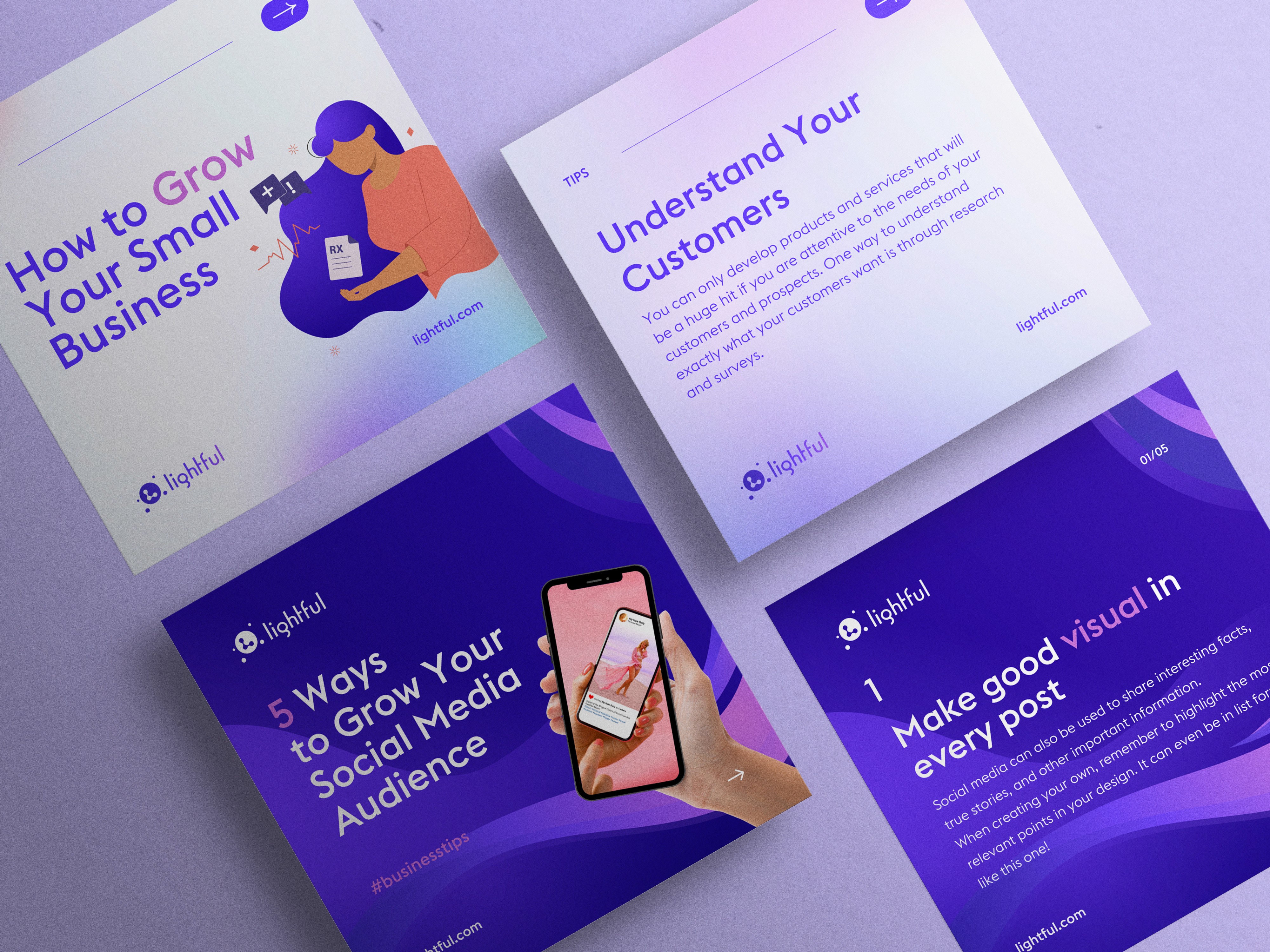
My first focus was refreshing Lightful’s brand identity. The goal wasn’t a cosmetic redesign, but clarity.
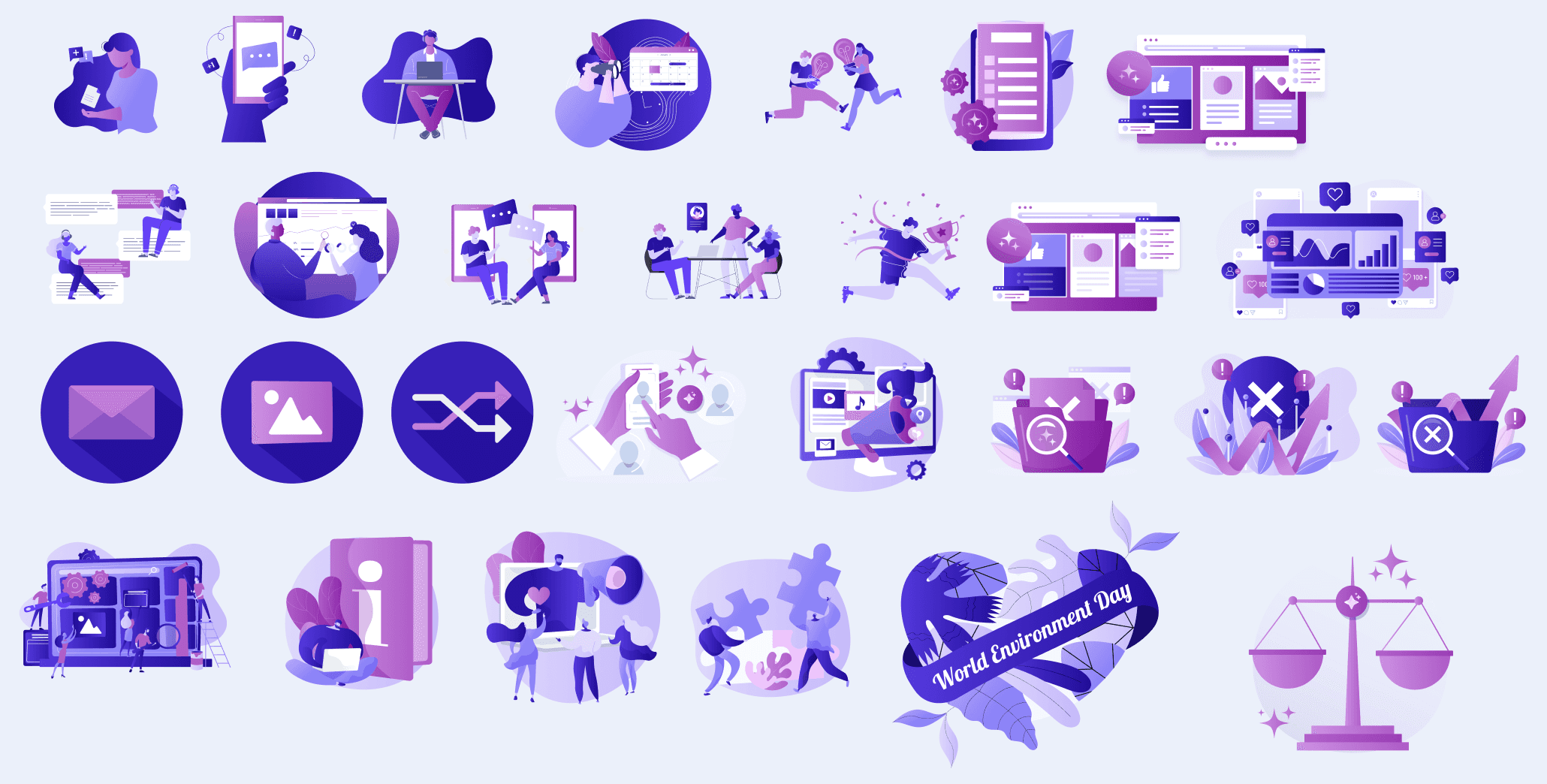
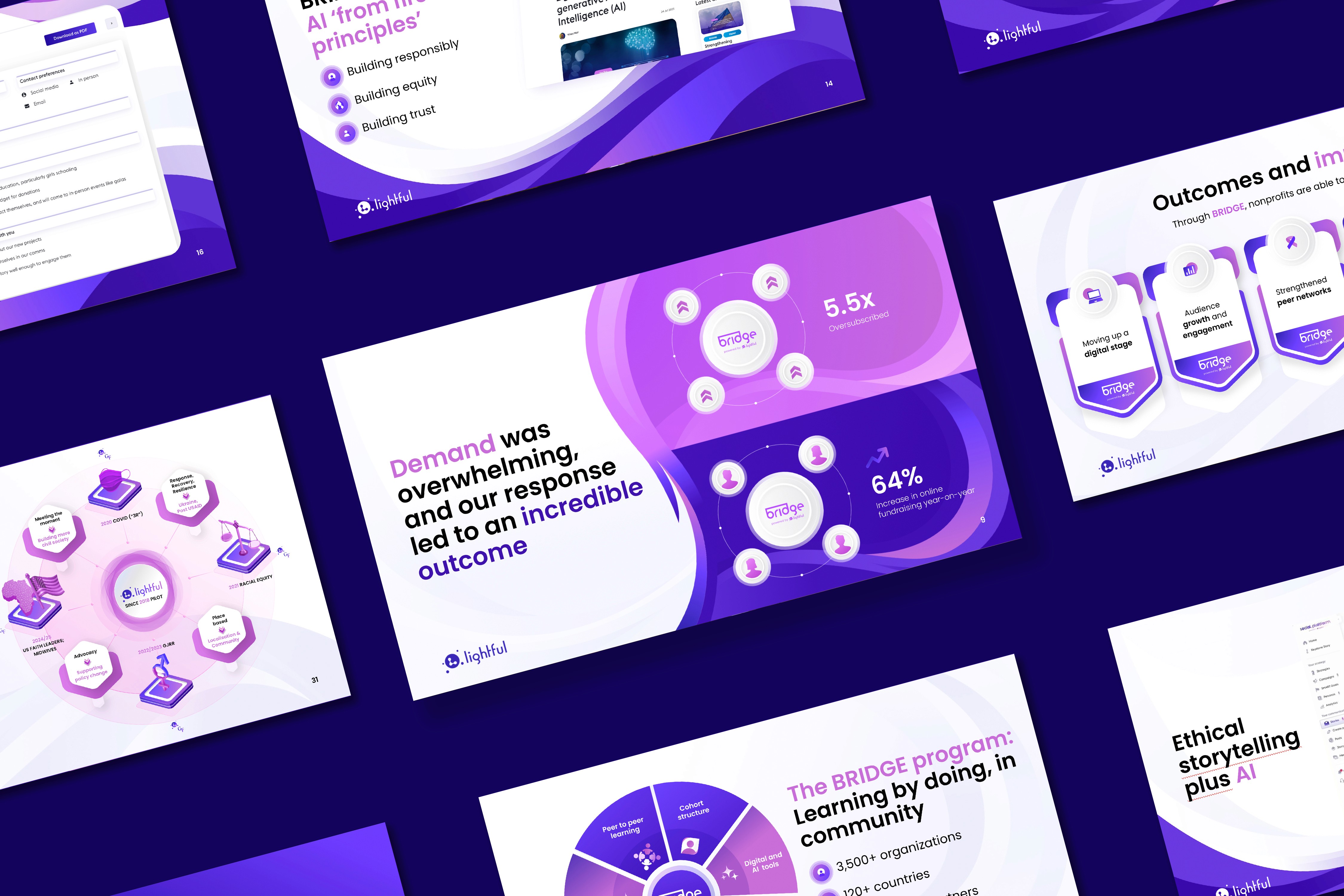
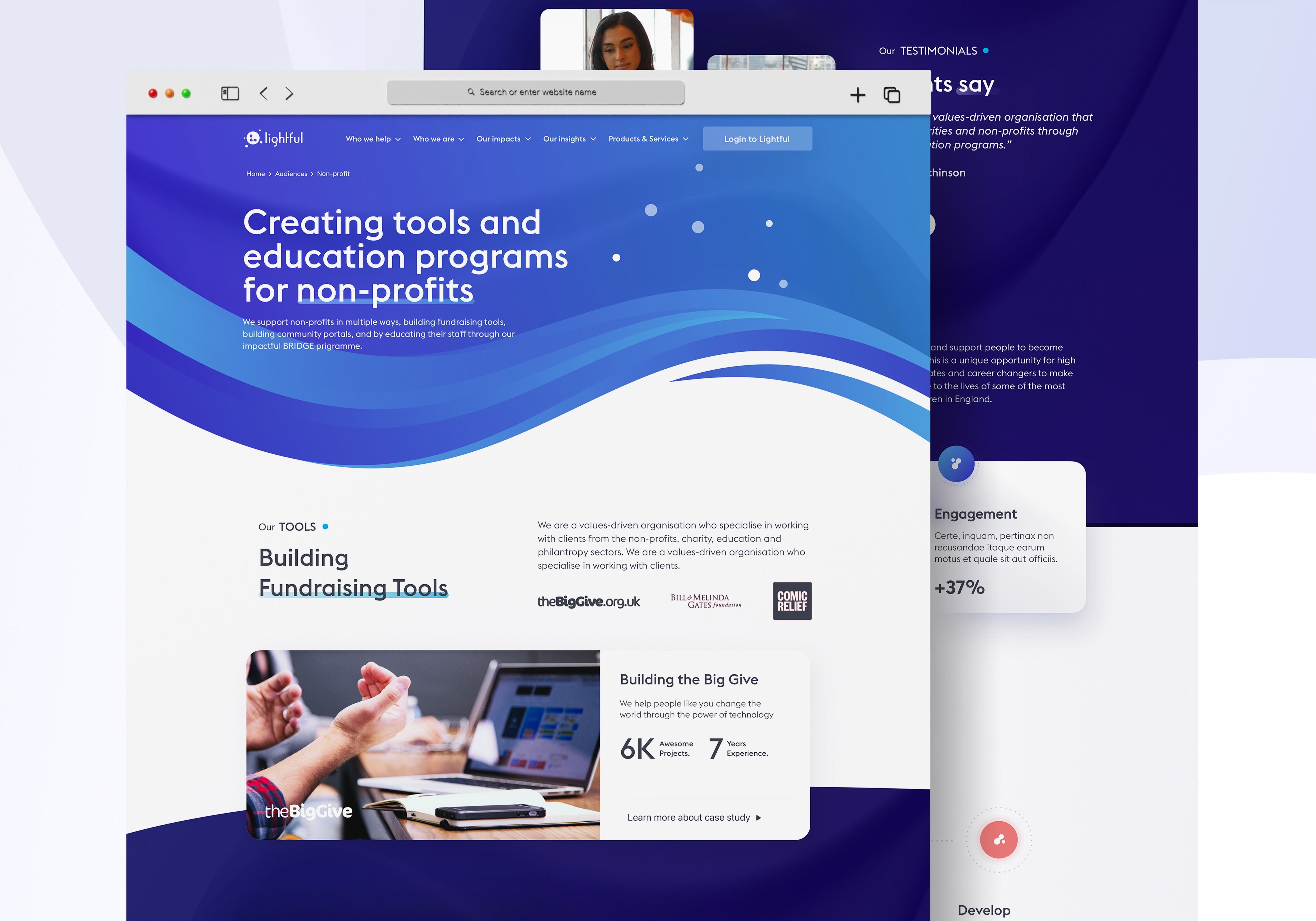
I worked on redefining visual language, typography, colour, and tone of voice, creating a brand system that felt more confident, more human, and more adaptable. This new identity became the baseline for everything that followed, product, marketing, and internal communication, ensuring consistency and direction as the platform evolved.
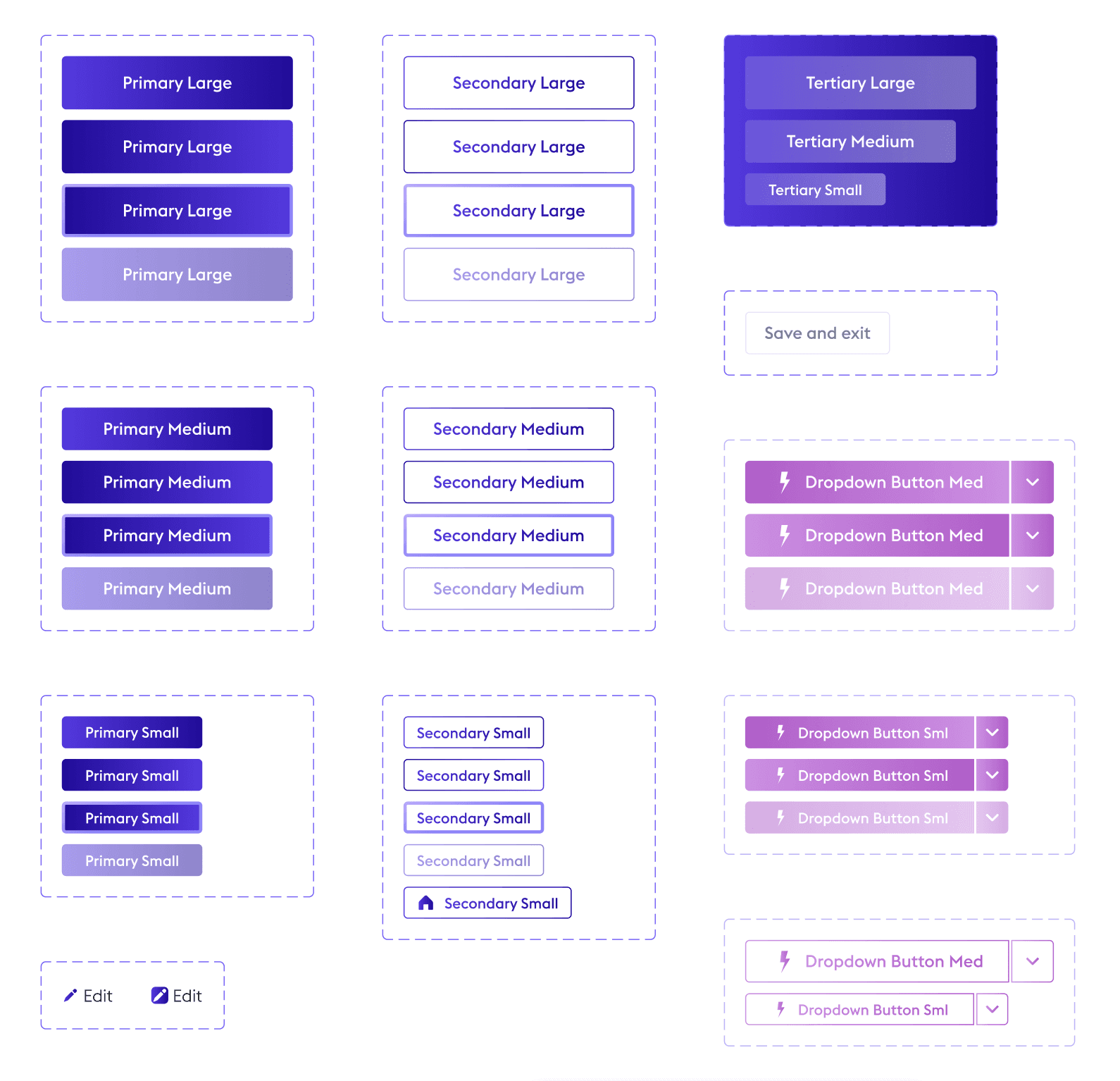
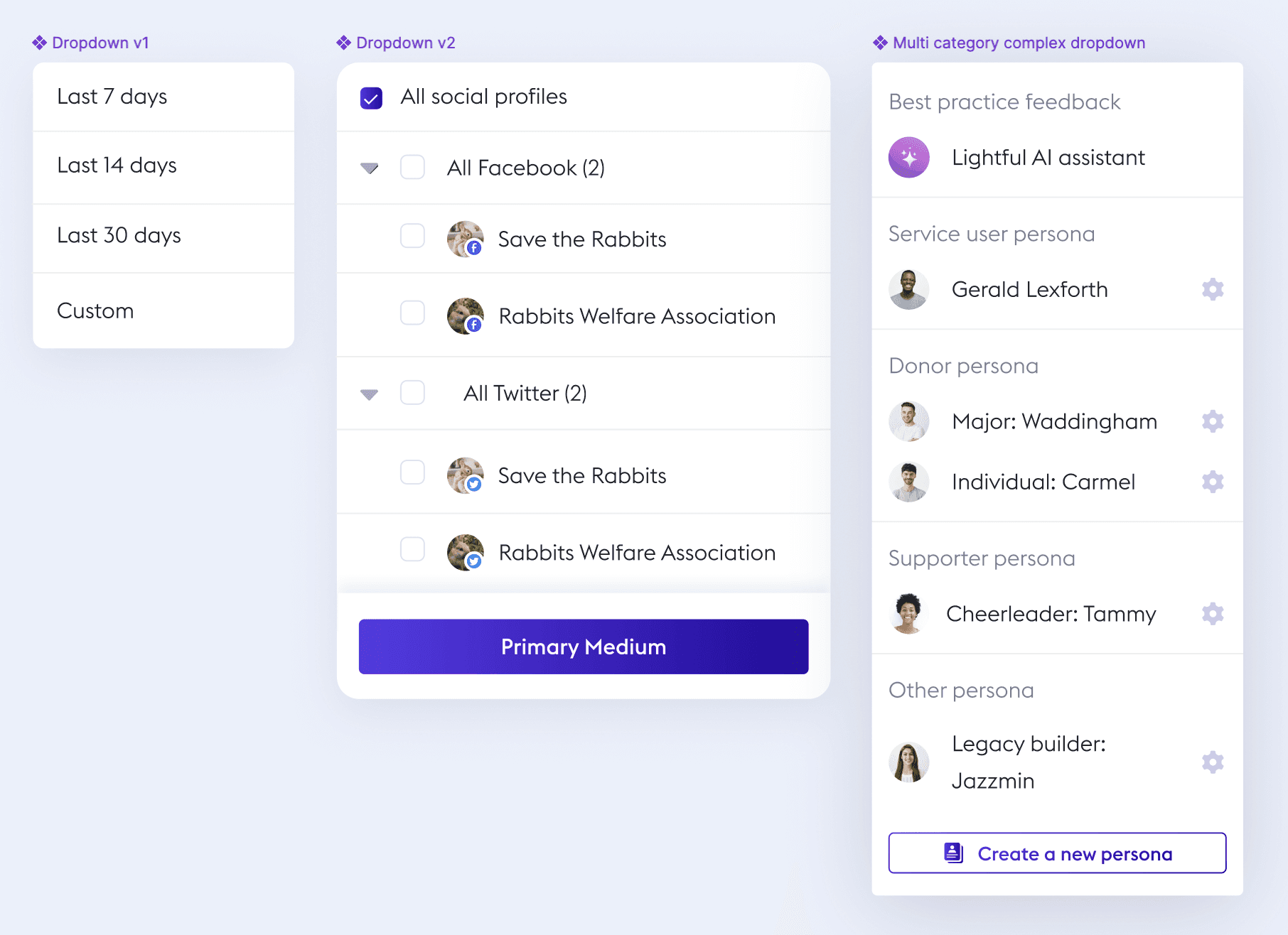
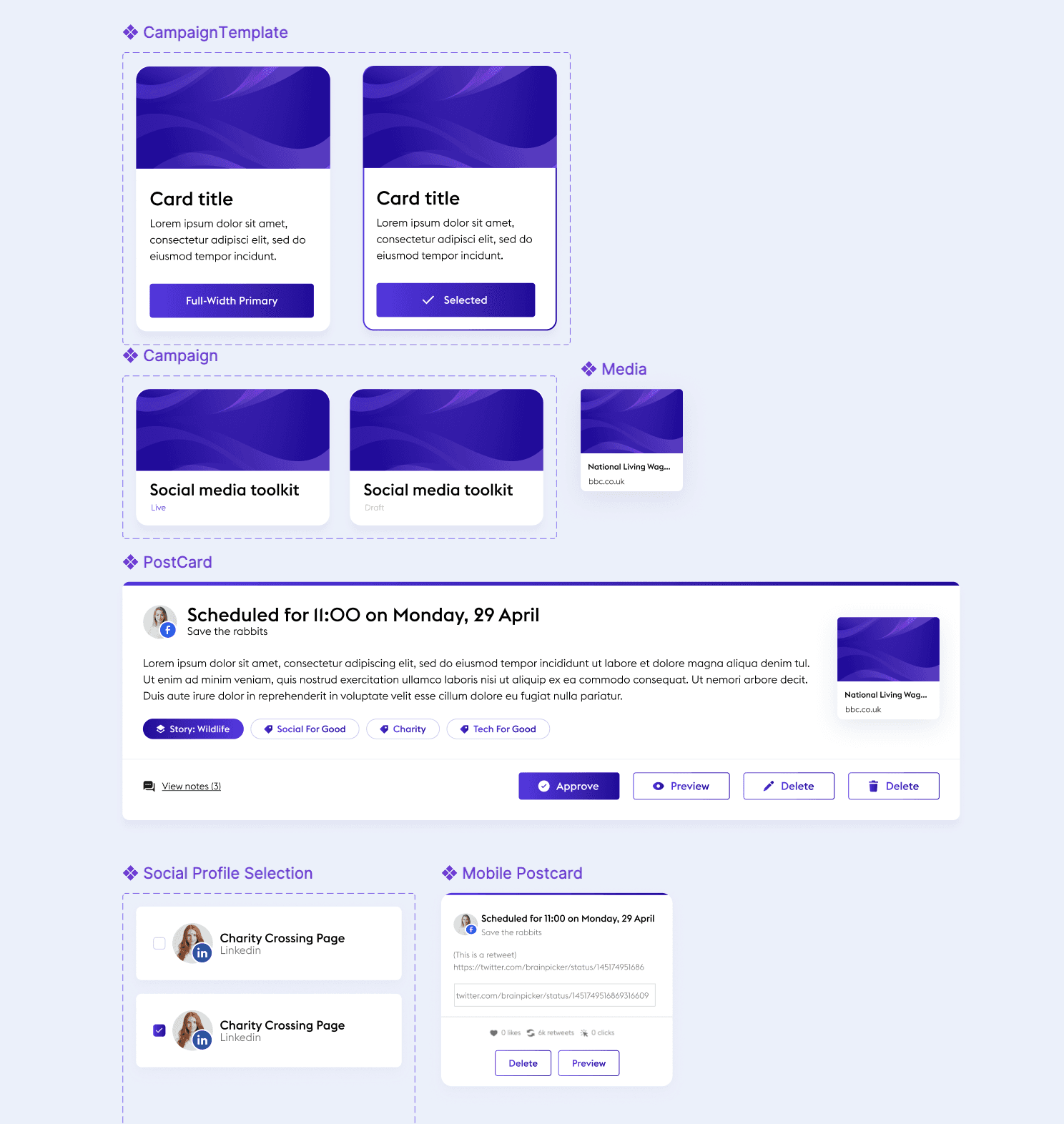
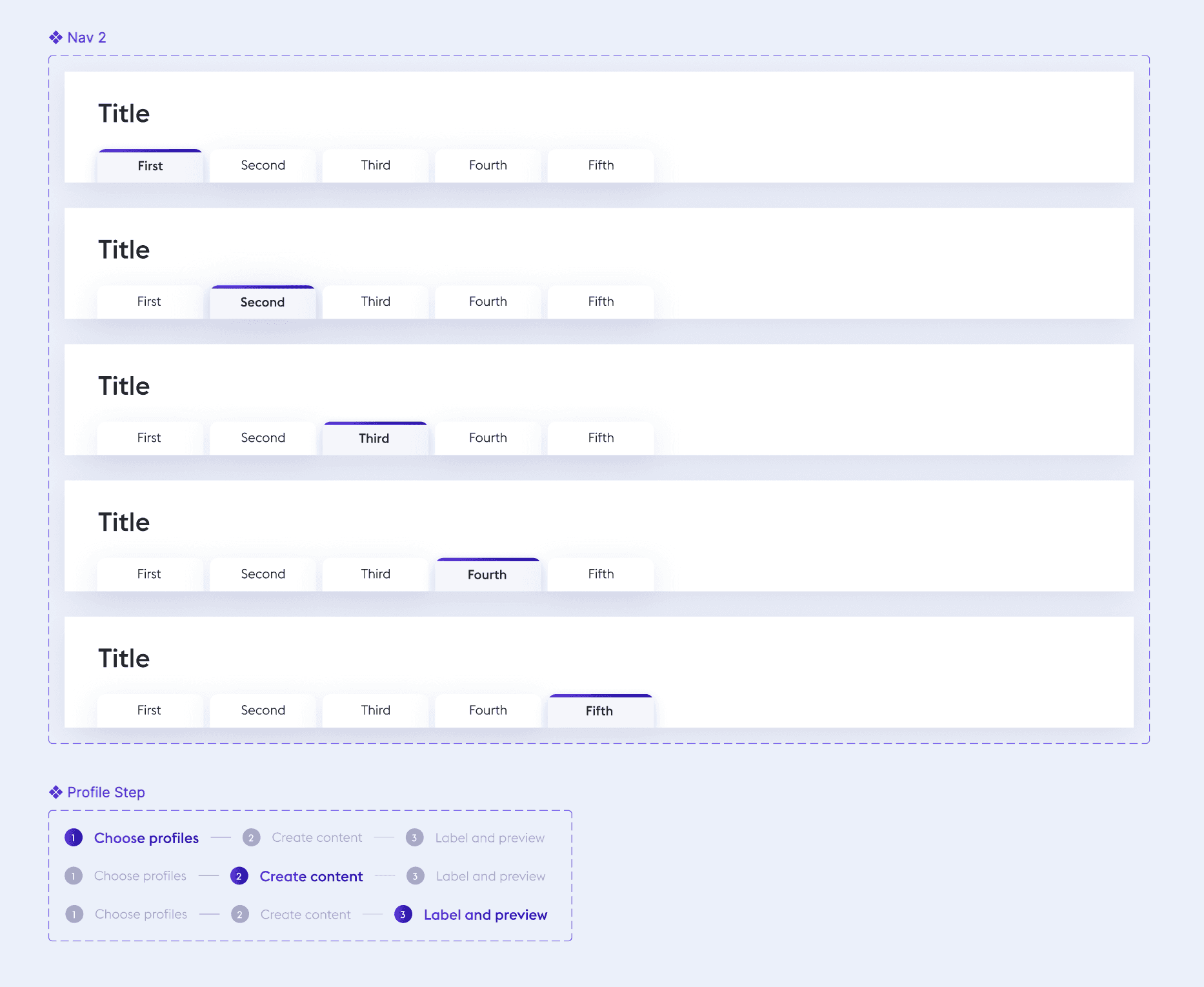
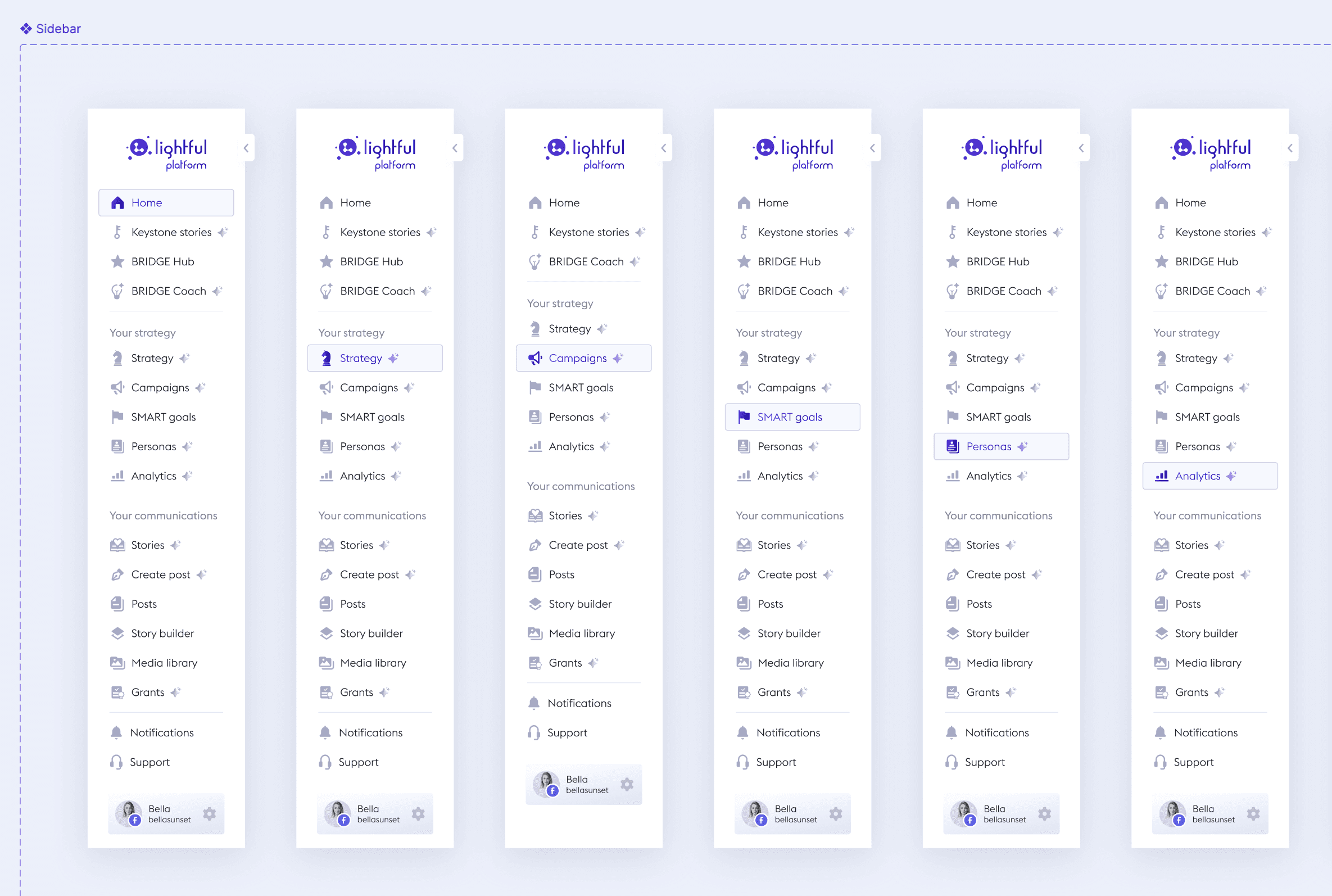
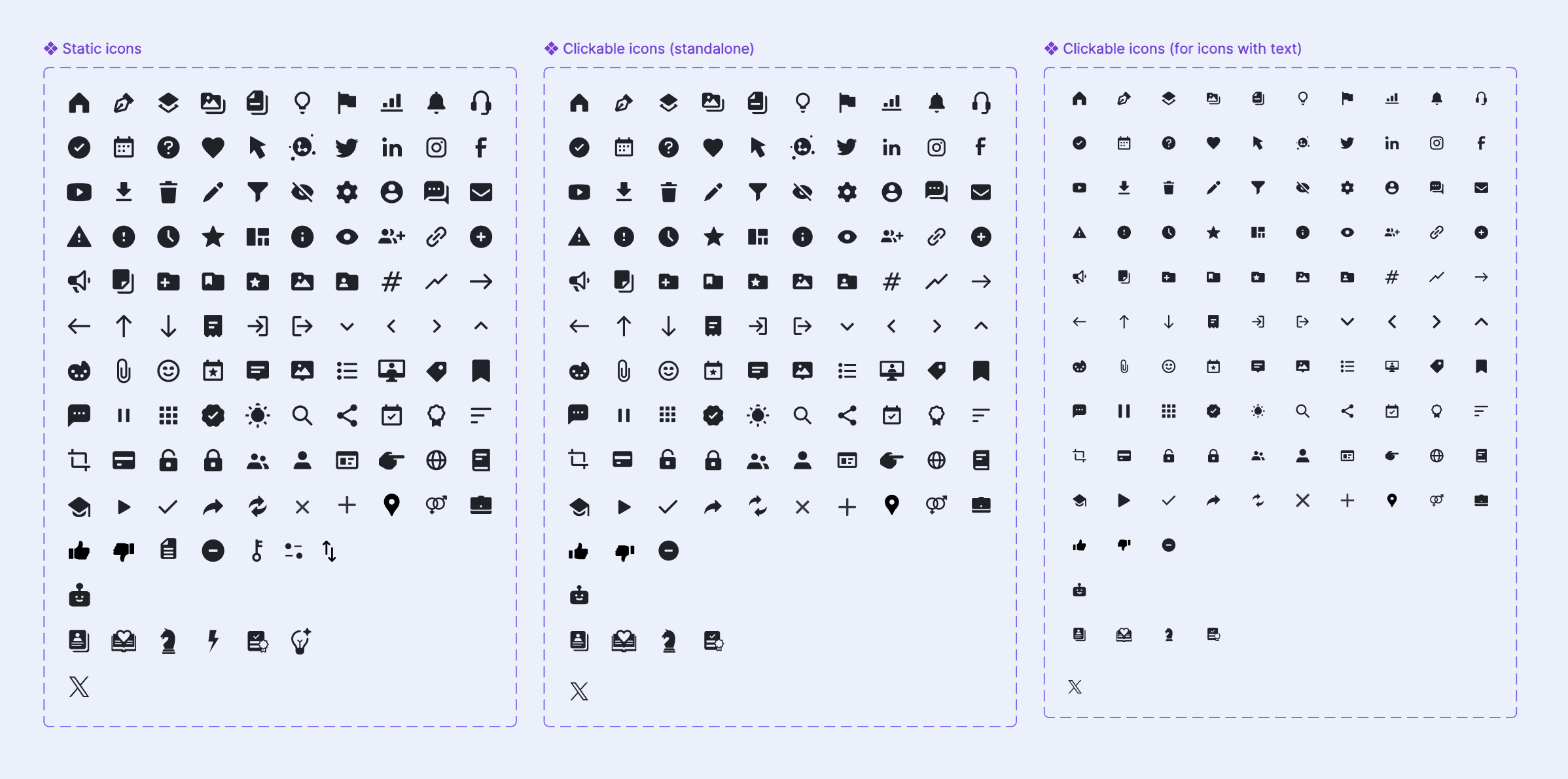
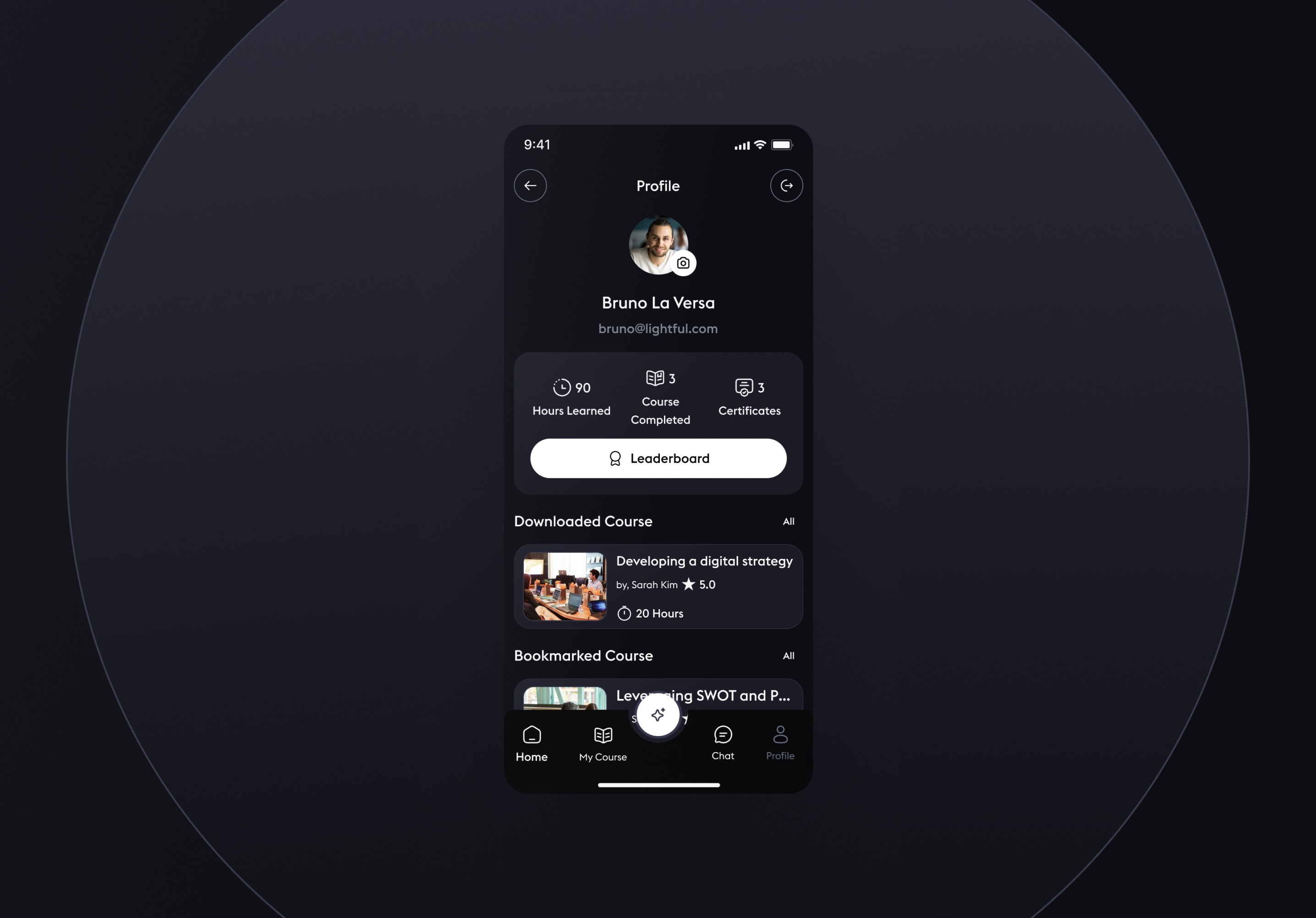
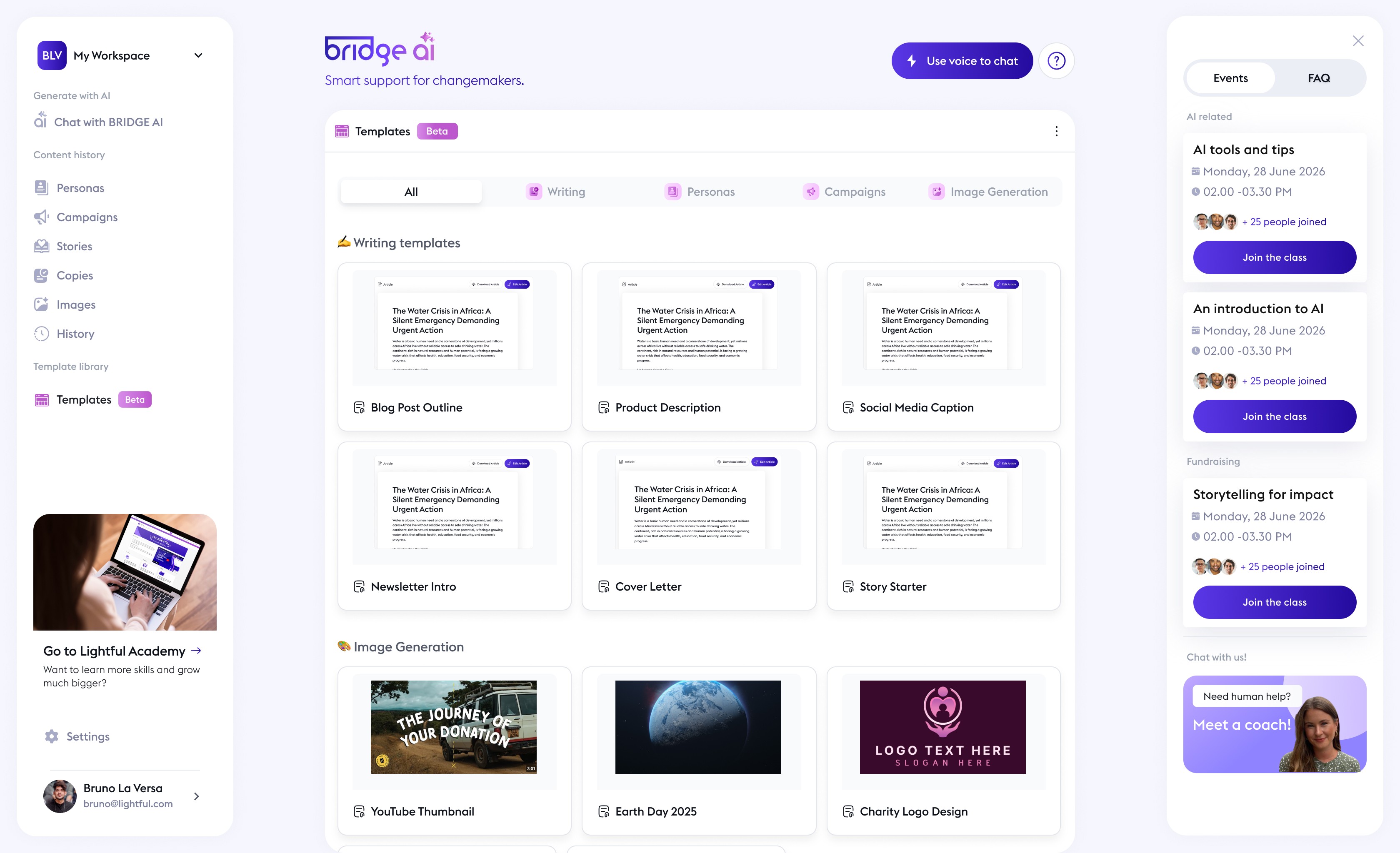
I then designed and implemented a design system that connected brand principles directly to product decisions.
This system reduced fragmentation, sped up delivery, and created a shared language between design and engineering. More importantly, it allowed the product to evolve without losing coherence, supporting both short-term delivery and long-term growth.




Embedding AI into the process, designing the future responsibly
As AI became central to Lightful’s roadmap, my role evolved again.
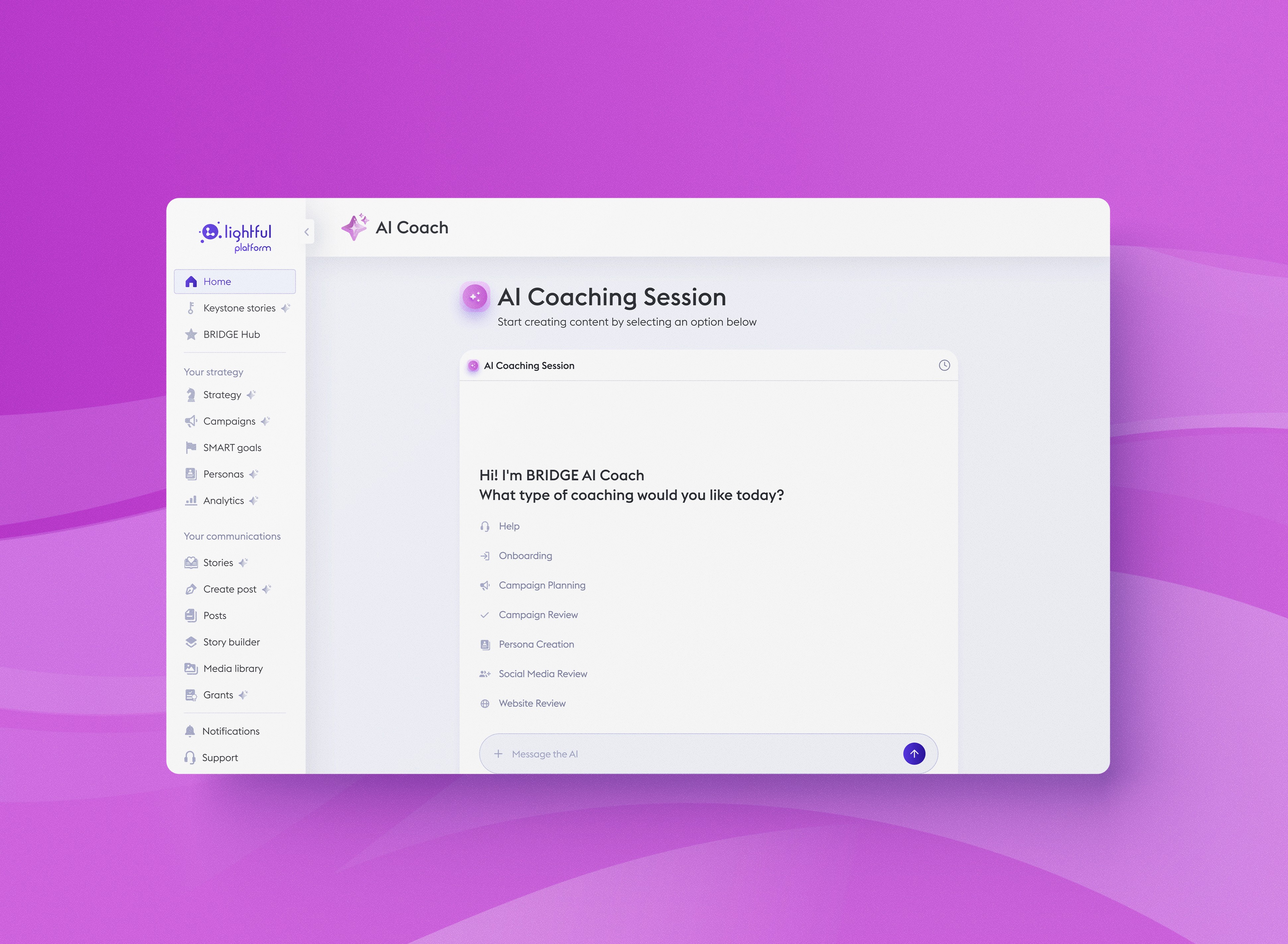
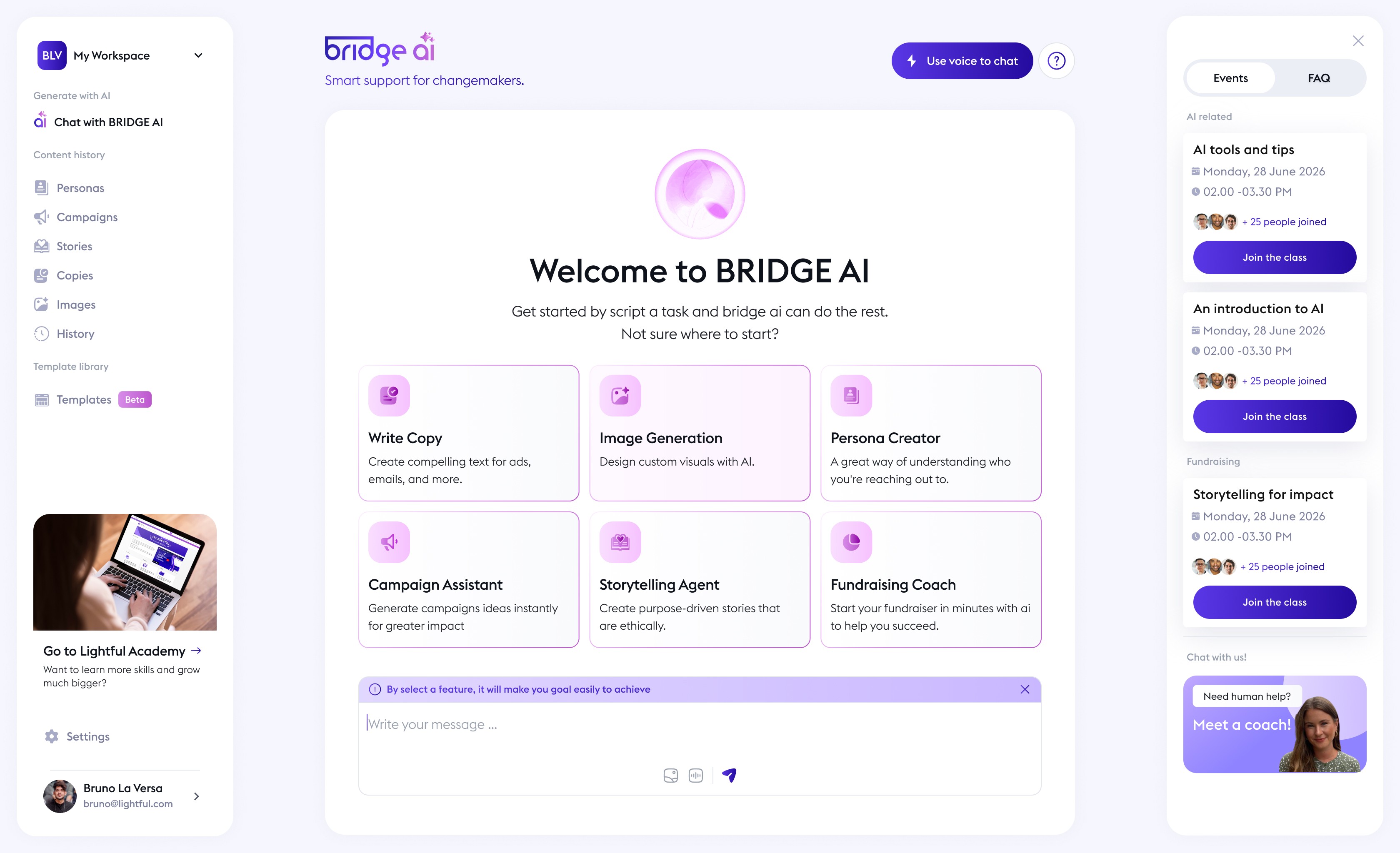
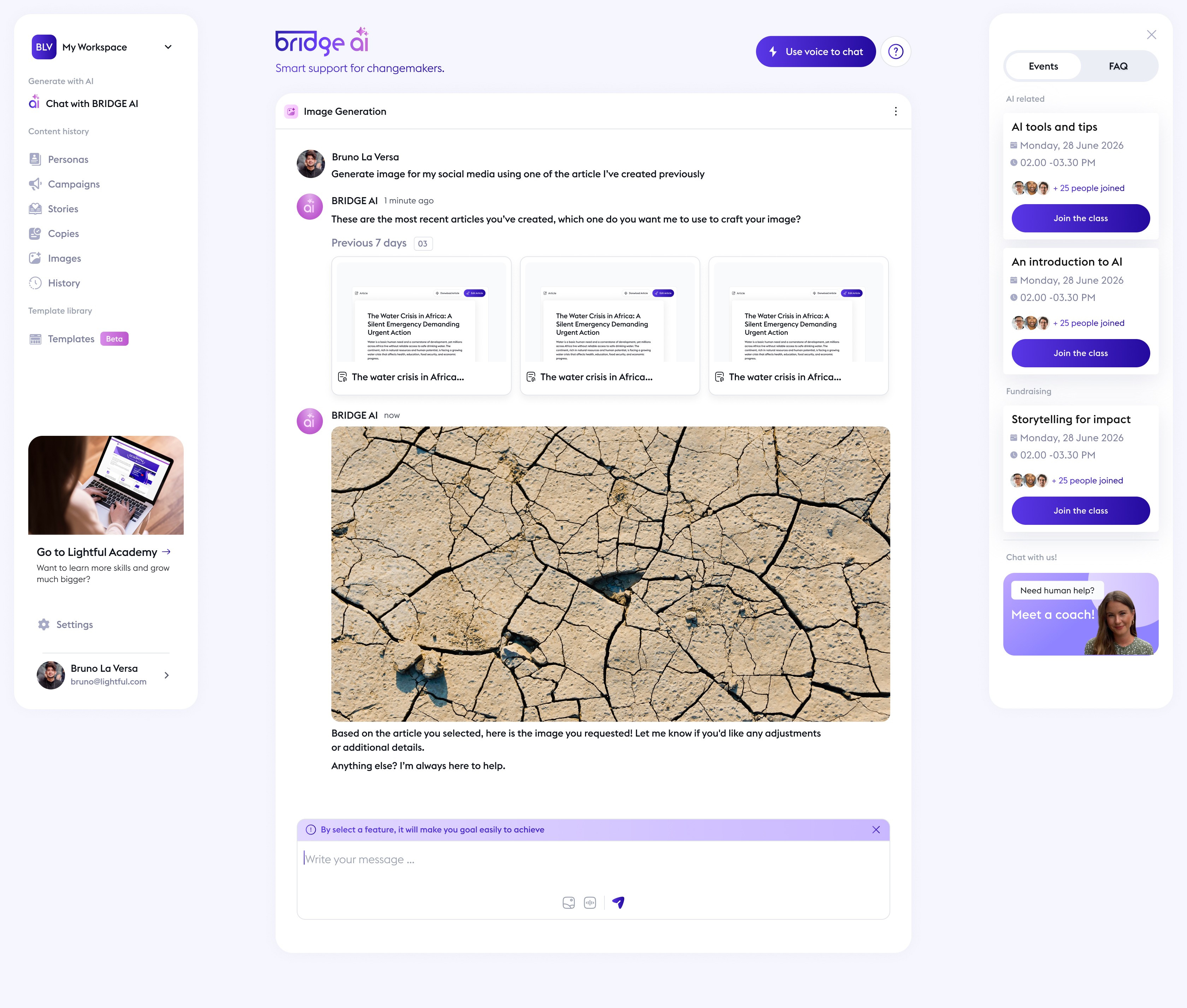
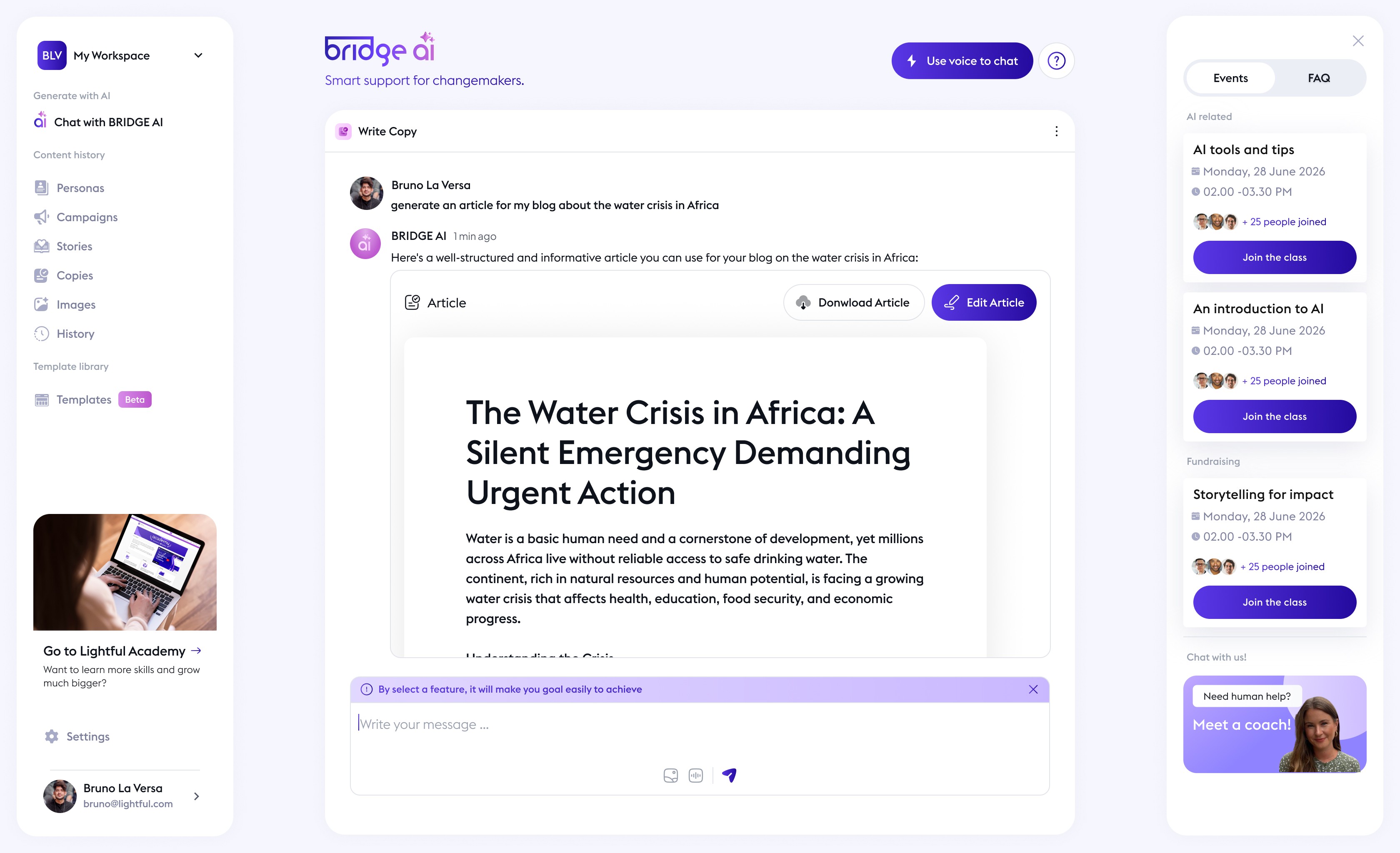
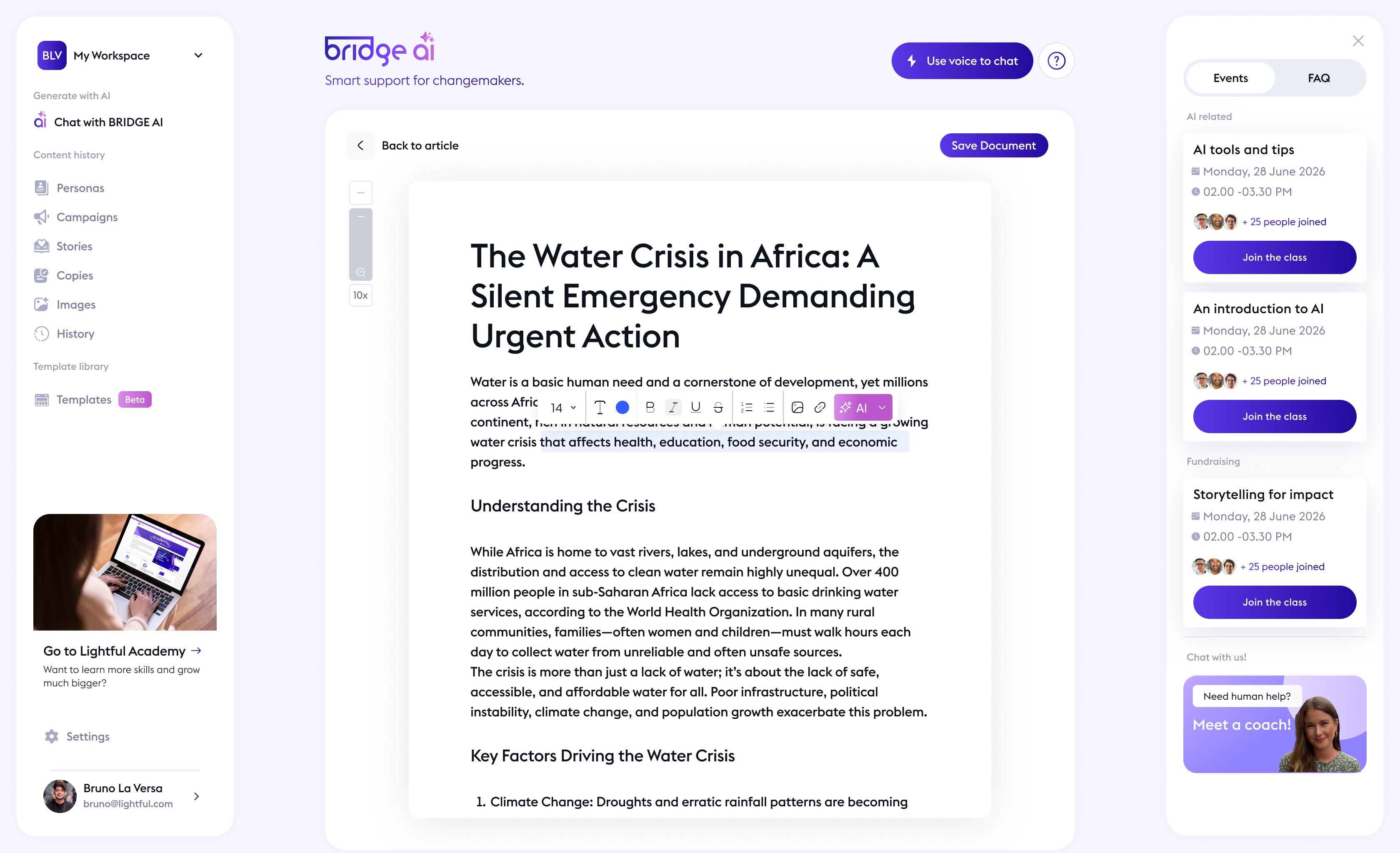
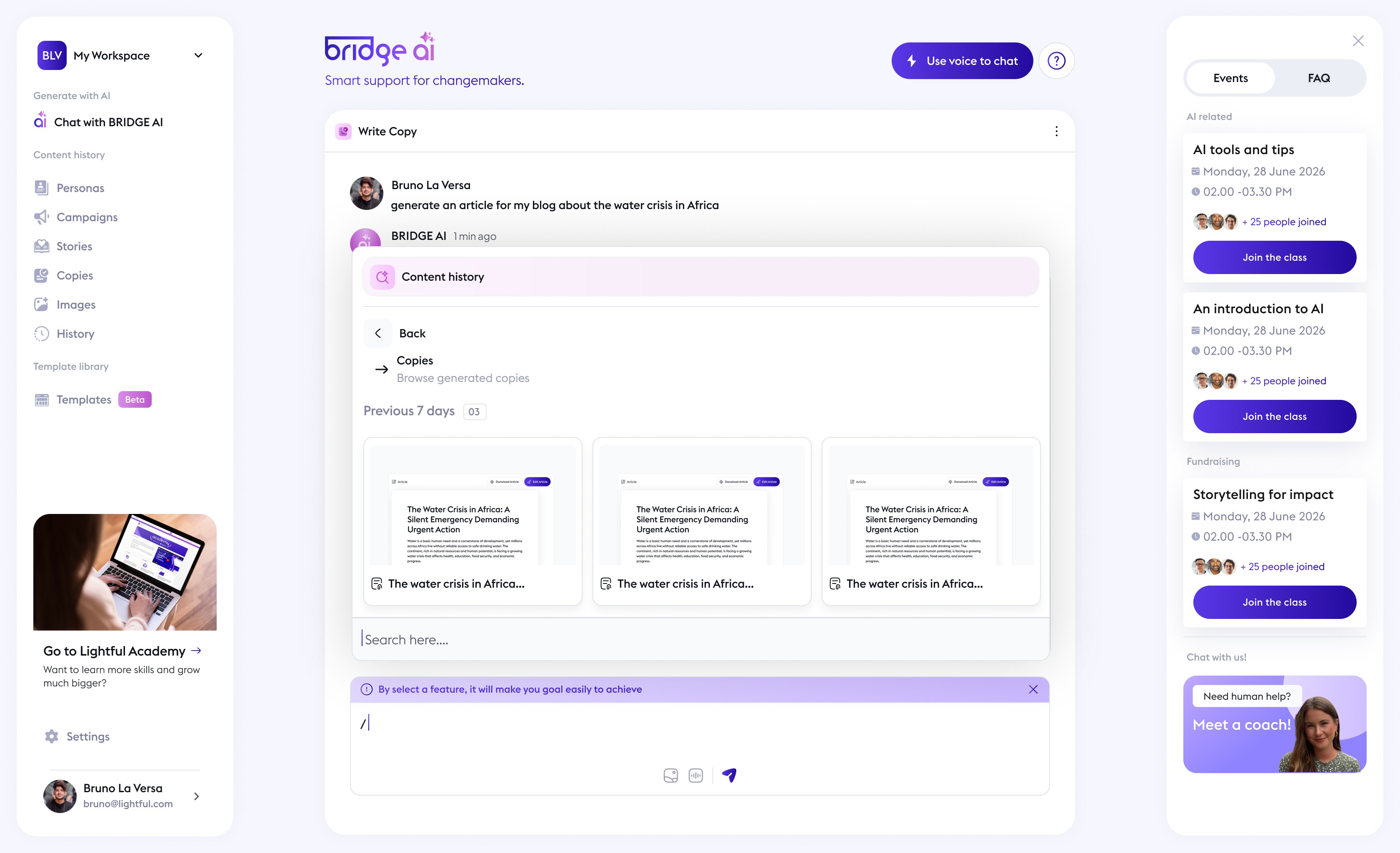
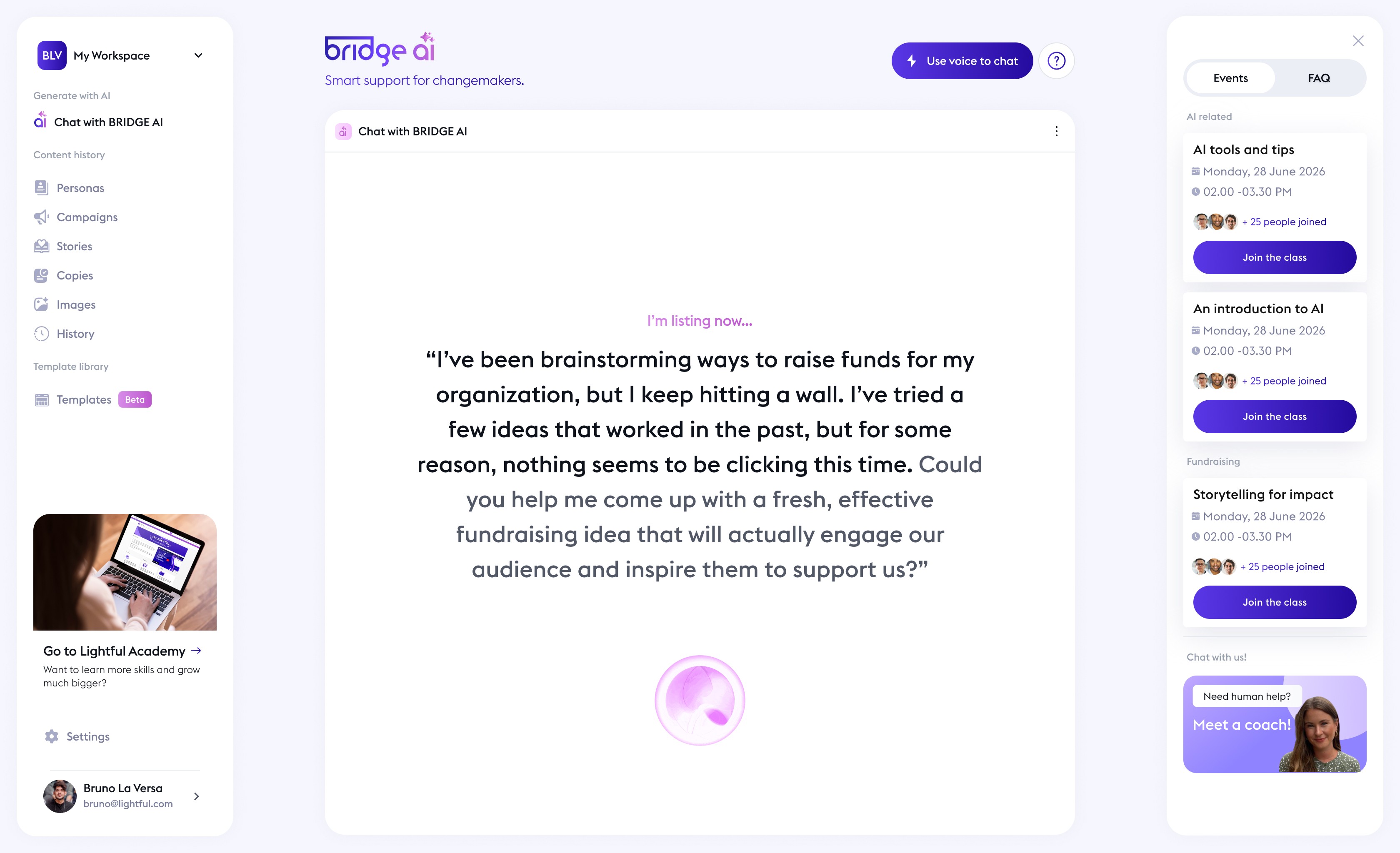
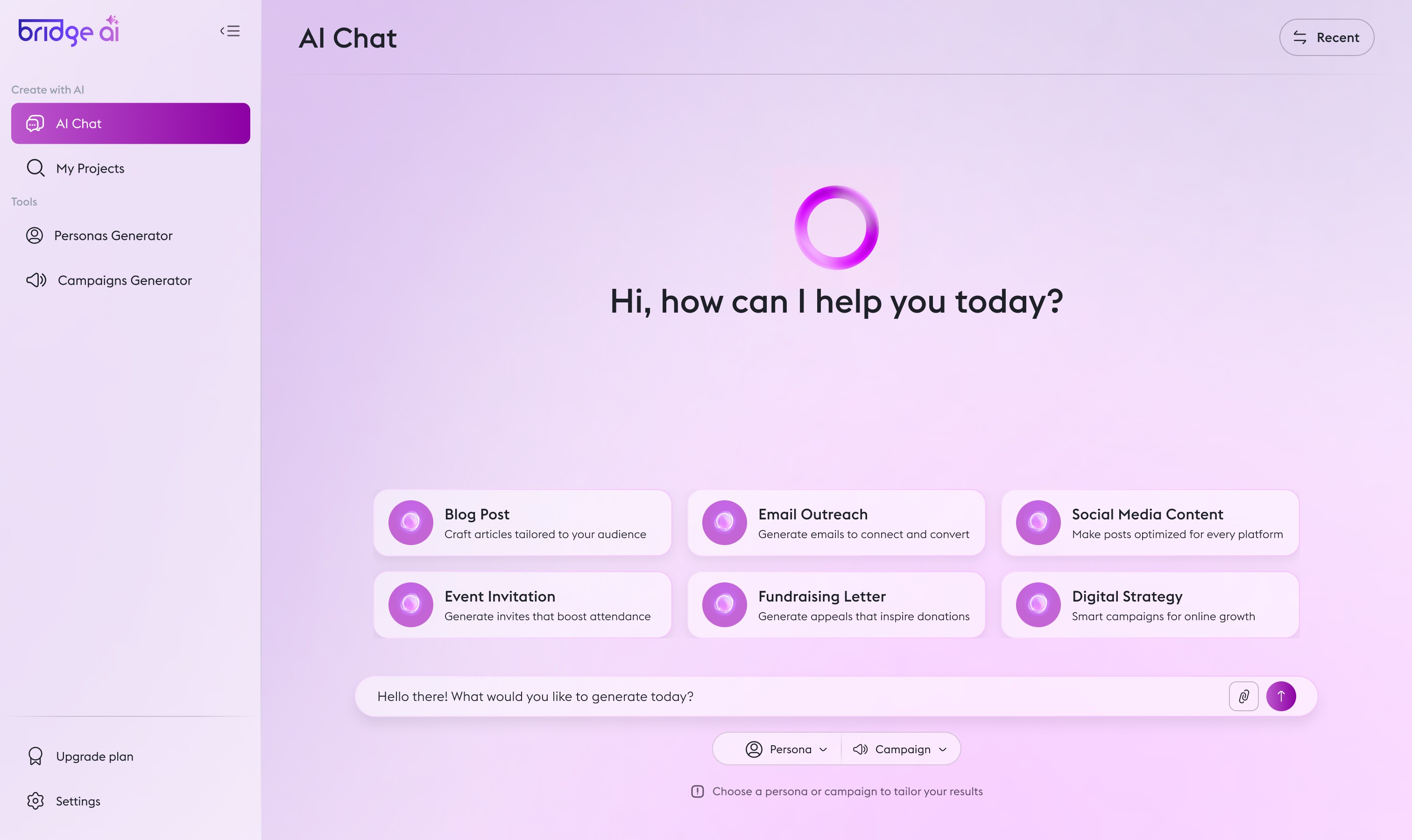
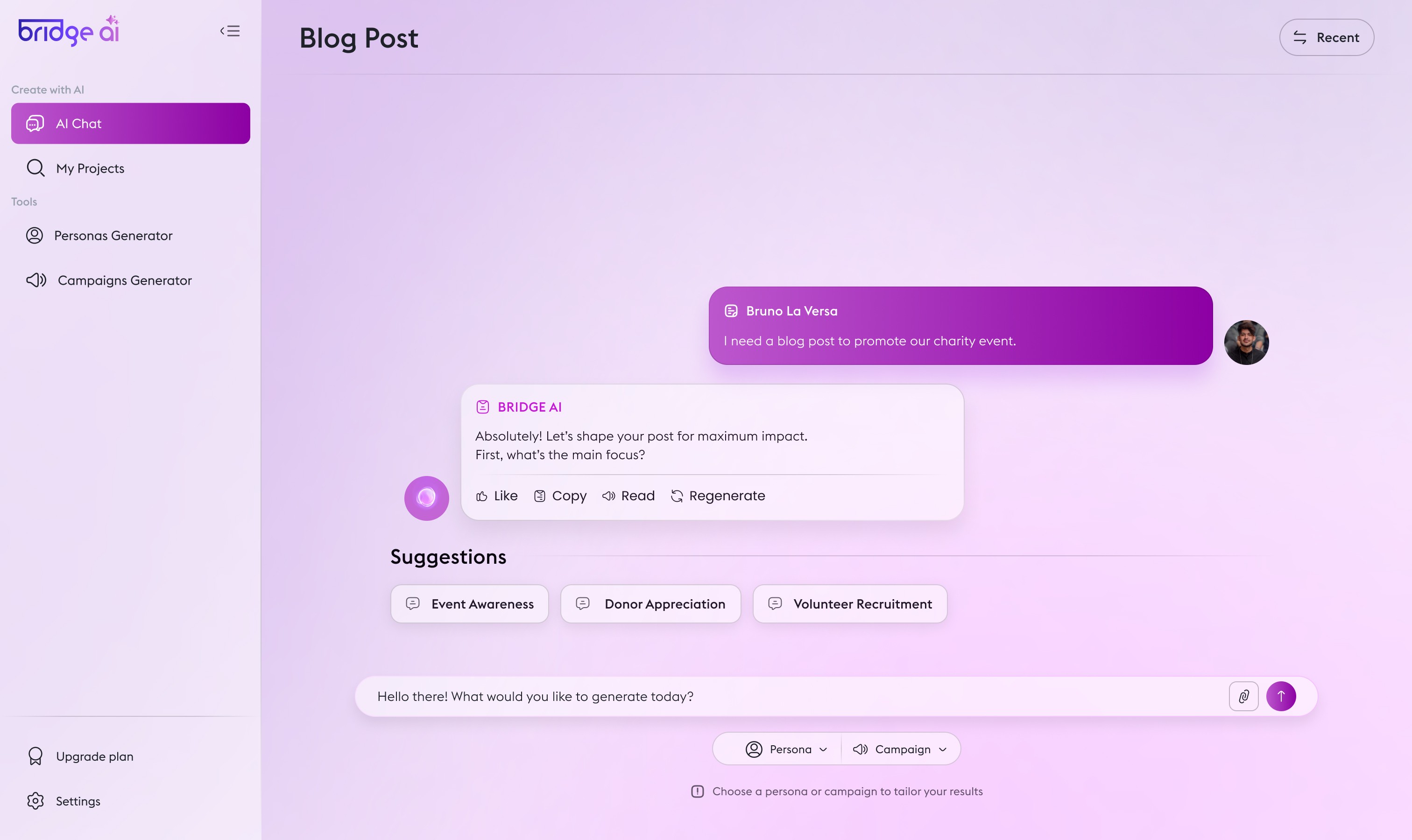
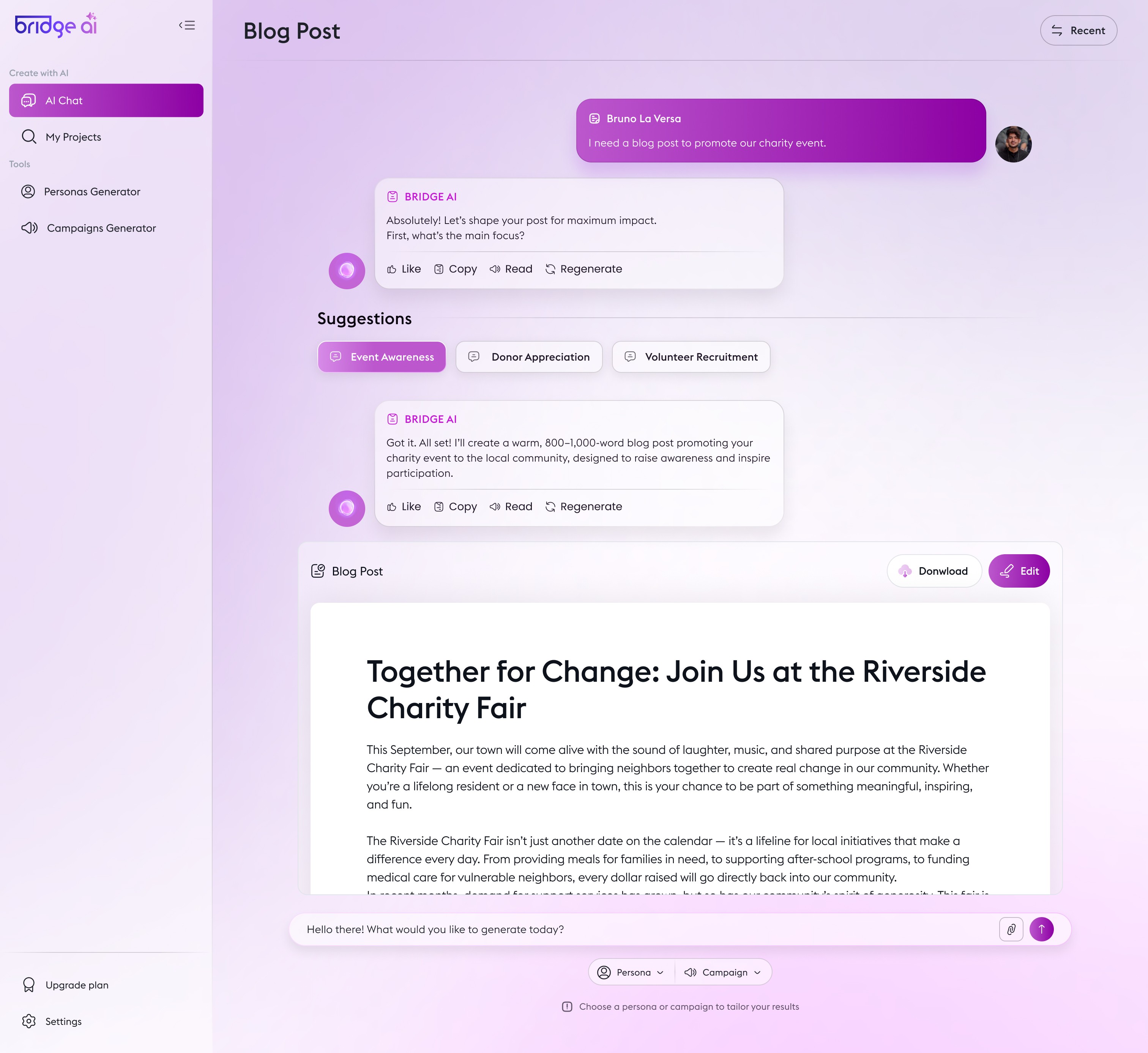
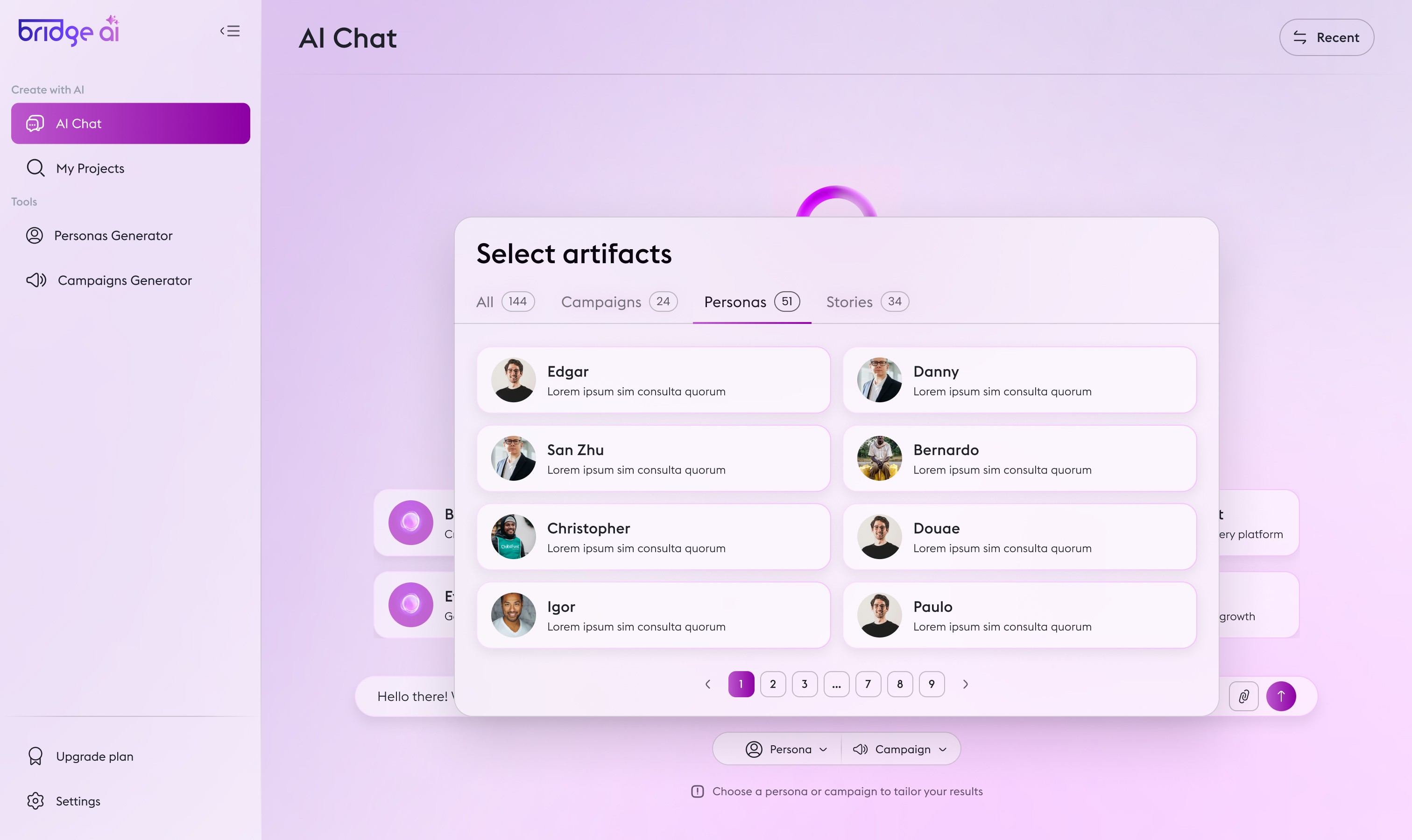
I helped define how AI could be embedded into both the product and the design process in a way that was meaningful, responsible, and human-centred.
This involved experimenting with AI-assisted prototyping, testing prompts and workflows, and shaping tools that supported users rather than overwhelming them.
AI wasn’t treated as a feature or a trend, but as a capability, one that needed clear design principles, strong UX foundations, and careful consideration of real user needs.
This work laid the groundwork for AI-powered tools that delivered real value, while maintaining trust, clarity, and usability.
Next projects.
(2016-26©)