From a UX and UI perspective, the main challenges were:
Reposition the brand digitally for an adult, health-aware audience
Move away from a static, old-fashioned layout toward something modern, dynamic, and appetite-driven
Redesign the information architecture so users could discover products, recipes, and content without friction
Design mobile-first, knowing that the majority of traffic came from mobile and tablet
Build a system that was search-friendly, data-driven, and CMS-ready
Ensure the solution could act as a white-label framework for future brand rollouts
At the same time, the experience needed to feel warm, confident, and aligned with the brand’s tone of voice, friendly, witty, and positive, without being childish.
The work began by rethinking the structure of the site.
The existing architecture was flat, repetitive, and visually restrictive, with content compressed into fixed frames that limited exploration. I redesigned the information architecture around clear journeys, reducing cognitive load and creating space for content to breathe.
Key decisions included:
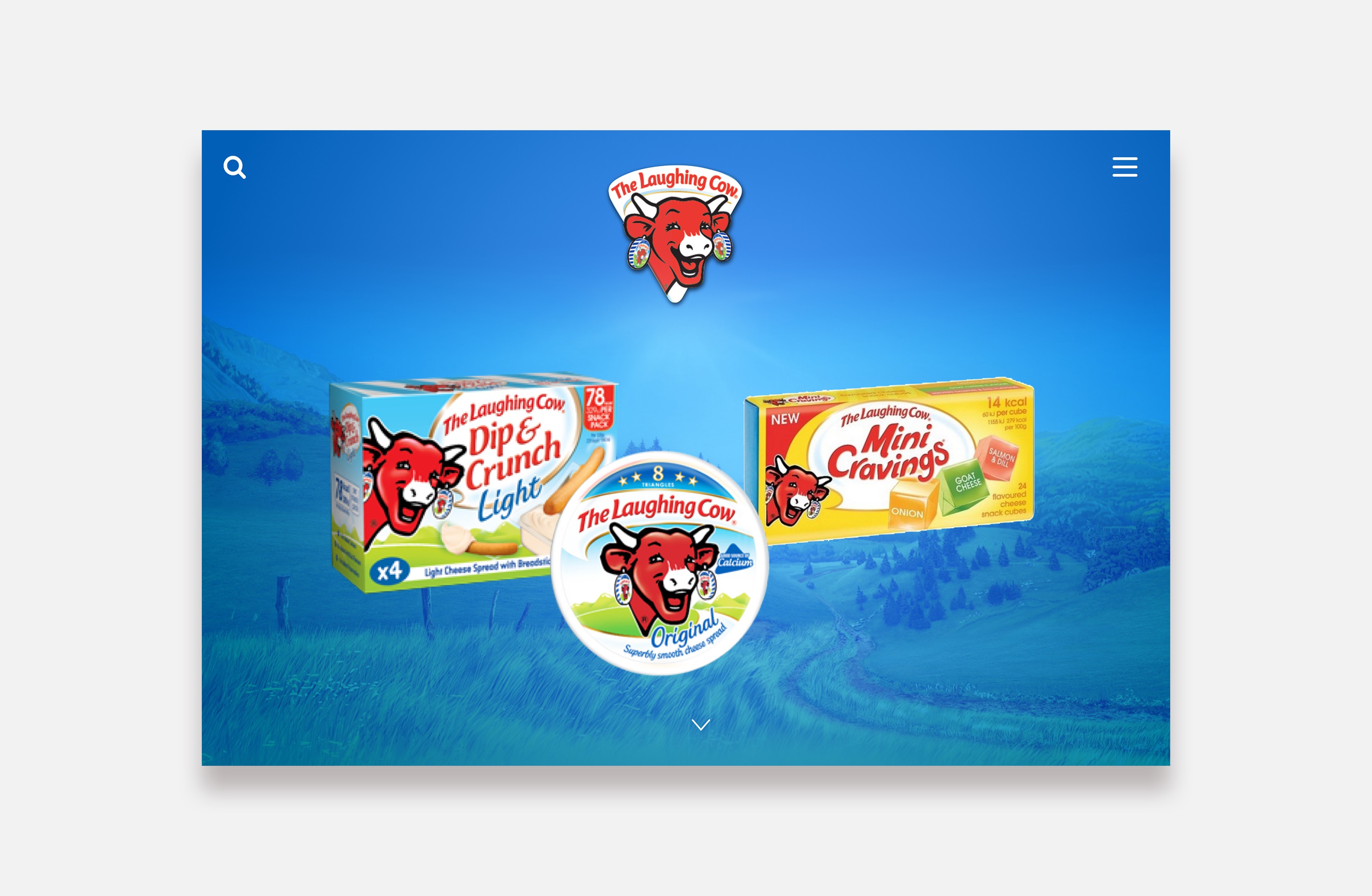
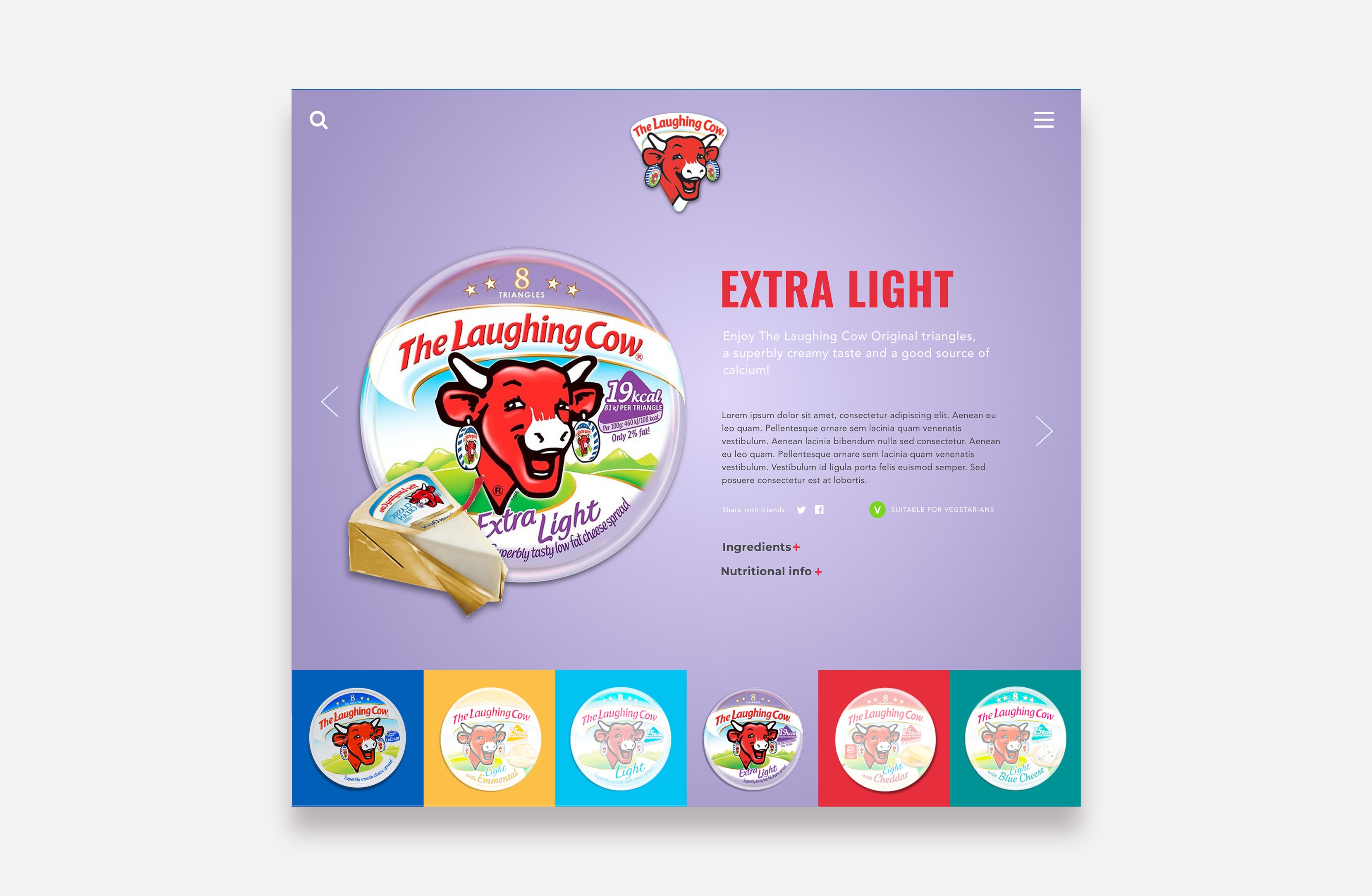
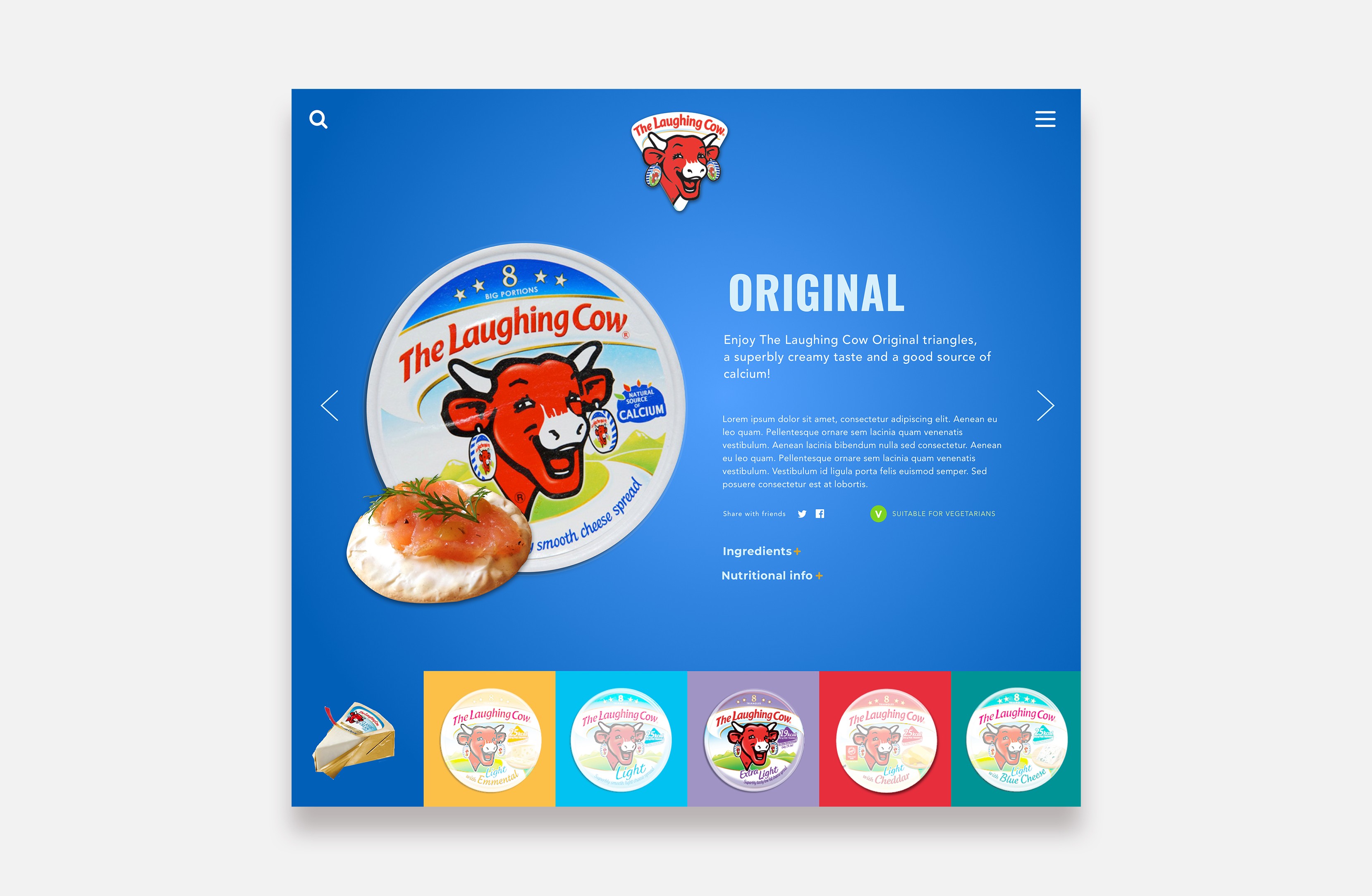
separating product ranges clearly and making the hierarchy understandable at a glance
removing dead ends by always offering a next step (recipes, usage ideas, related products)
designing a unified search experience across the site
making content deeper and more meaningful than what users could already find on packs or social media
The goal was to guide users naturally, not overwhelm them.
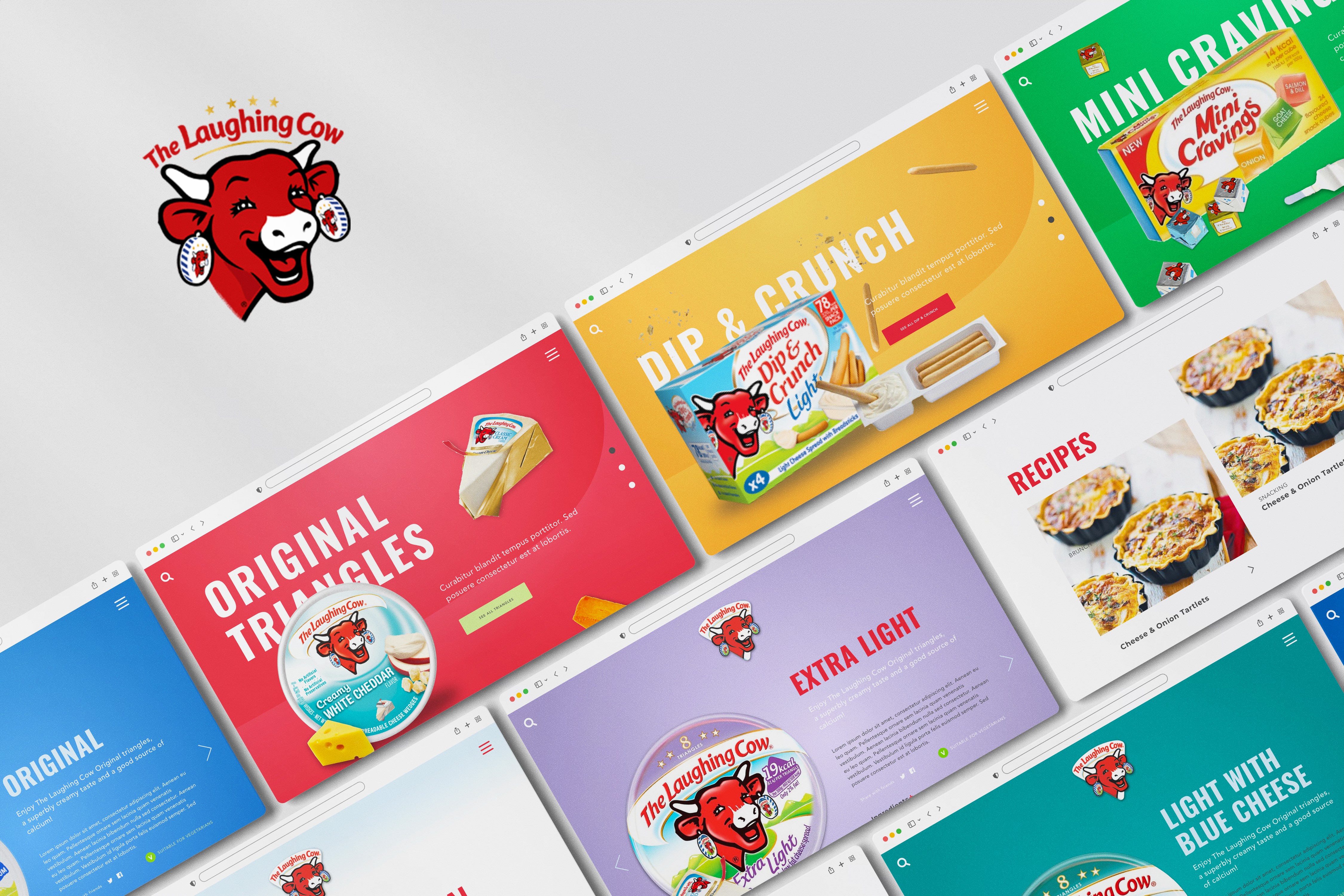
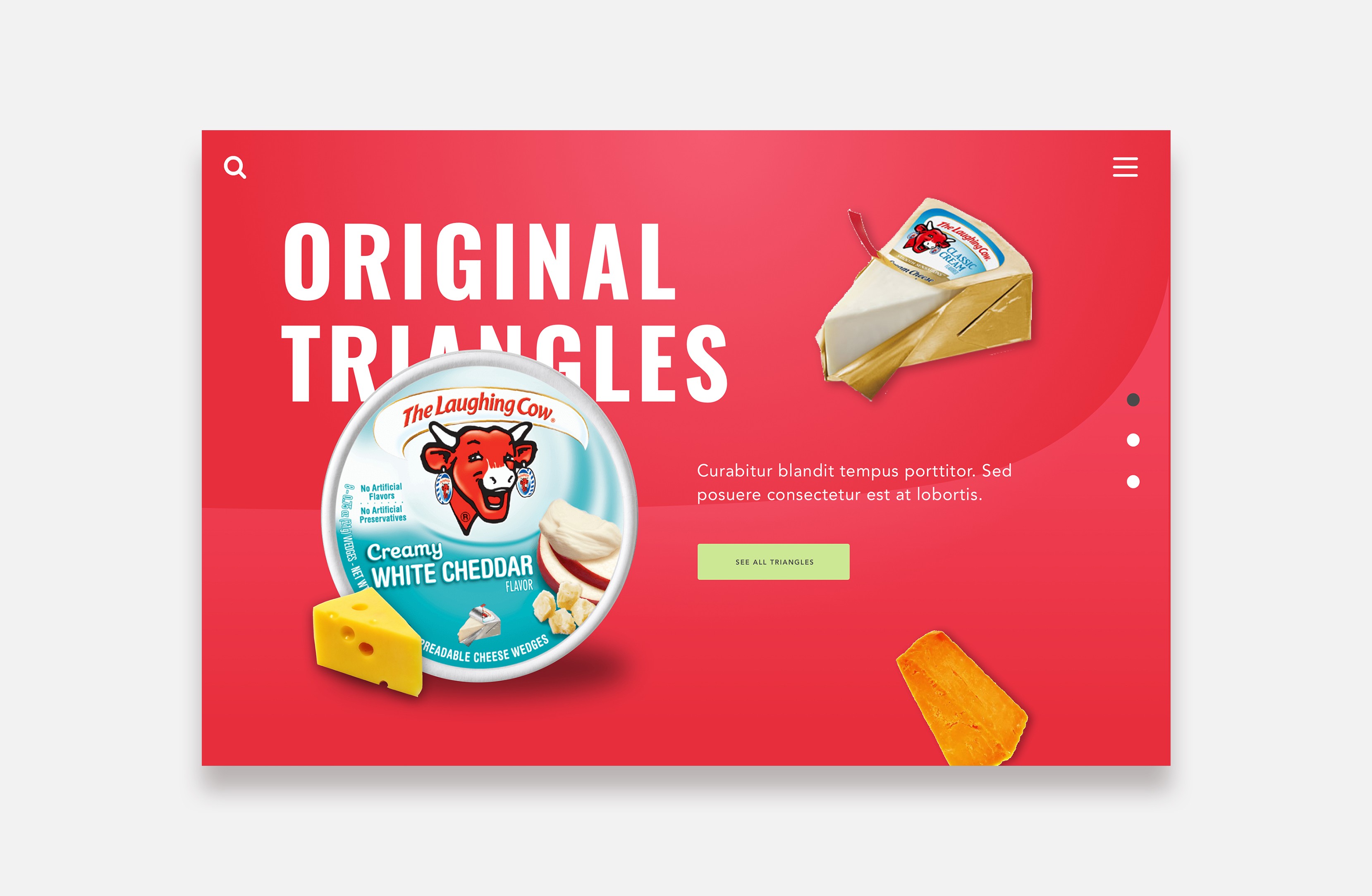
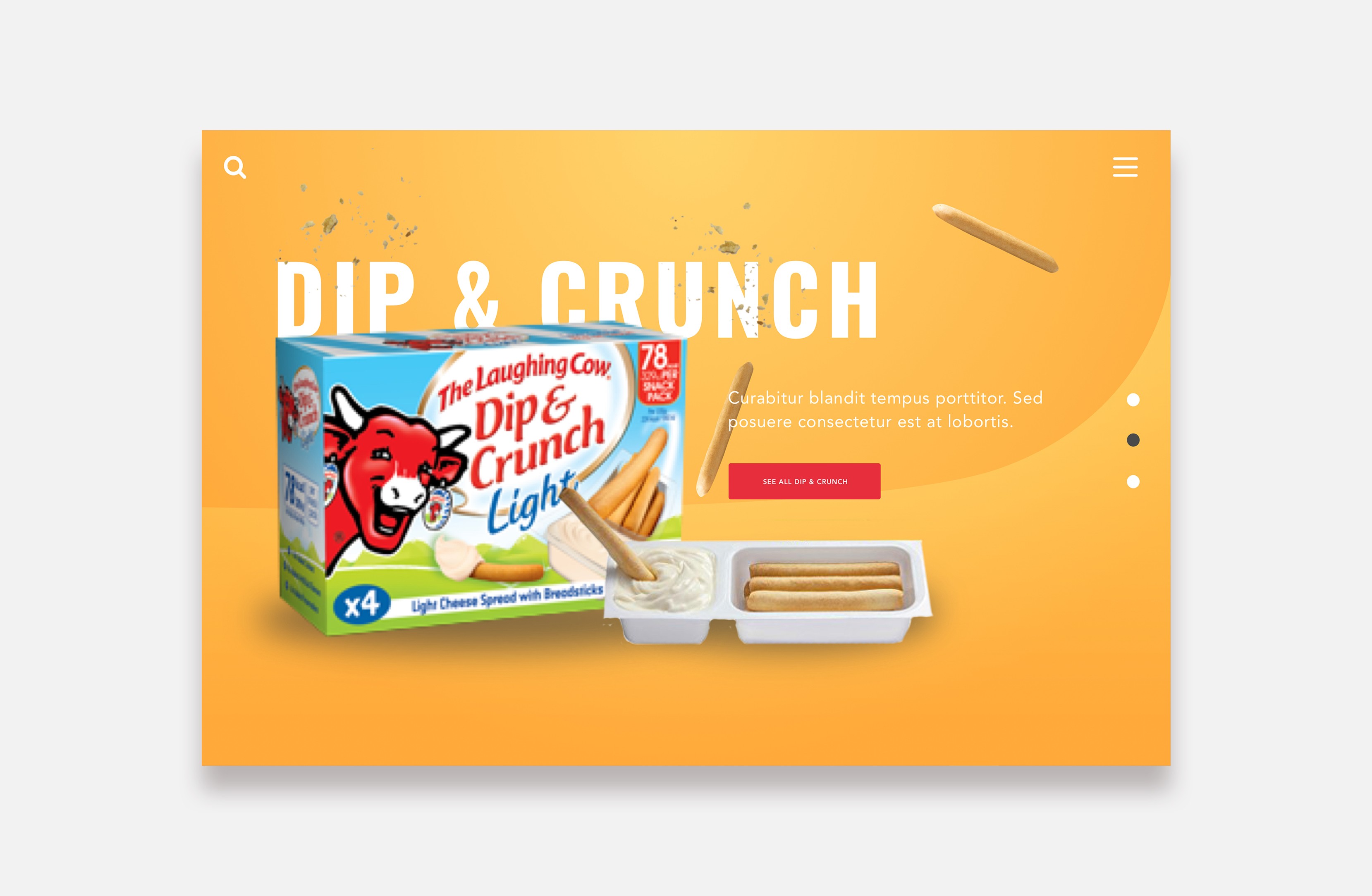
Visually, the redesign focused on clarity, appetite appeal, and confidence.
We moved away from the wooden board layout and animated backgrounds, replacing them with:
cleaner layouts
stronger typography
larger, more expressive food imagery
a more contemporary use of colour and space
Packaging elements were still referenced for recognition, but adapted for digital rather than copied directly.
The result was a look and feel that felt grown-up, fresh, and relevant to the target audience.
Special attention was given to:
product pages, which accounted for the majority of traffic
recipe visuals, which were scaled up and treated as inspiration rather than decoration
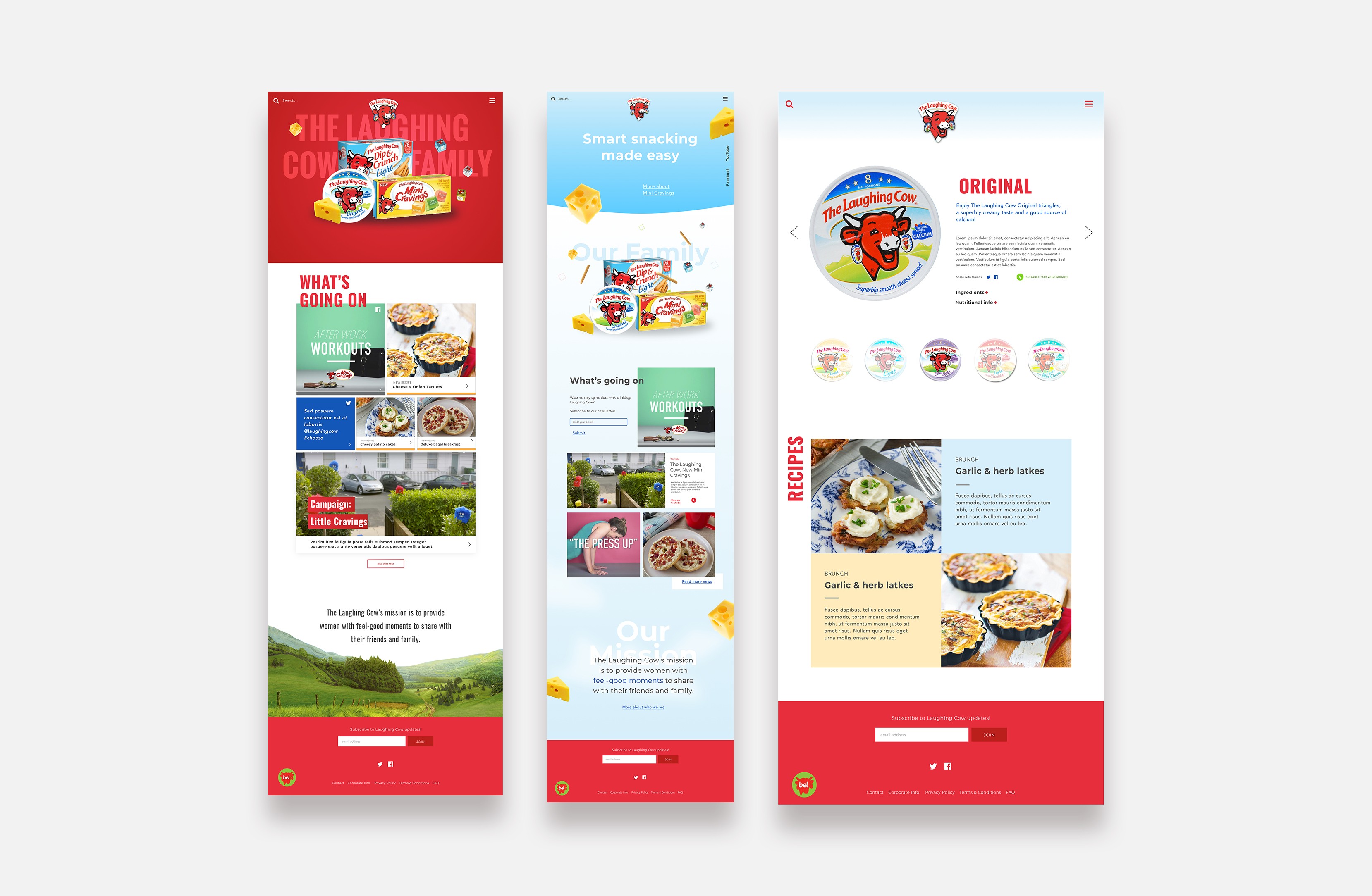
consistency across desktop, tablet, and mobile
Scalability, CMS & data-driven design
Beyond the interface, a major part of the work was designing for scale and longevity.
The site was conceived as a modular system:
reusable page templates
flexible navigation structures
CSS-driven styling separated from core structures
clean, transferable code
This made it easier for brand teams and external partners to manage content through a CMS with minimal training.
Analytics and search optimisation were also embedded into the structure, ensuring:
valuable user actions could be tracked
content performance could be measured
future iterations could be informed by real data
More than a redesign, this project was about building the right structure first, one that could evolve with the brand rather than be replaced again.
The final result was a website that:
repositioned The Laughing Cow as a relevant snack brand for adult women
delivered a more inspiring, appetite-driven experience
improved clarity across products, recipes, and brand content
worked seamlessly across devices
and laid the foundation for a scalable, white-label digital platform
Next projects.
(2016-26©)